Helen Keller in New York Times: 'Giving Up Is Not an Option' in Battle Against Neglected Tropical Disease
A deeply reported story from The New York Times details Cameroon’s progress toward eliminating neglected tropical diseases, featuring the voices of Helen Keller Intl’s government partners, community health workers, and program participants.
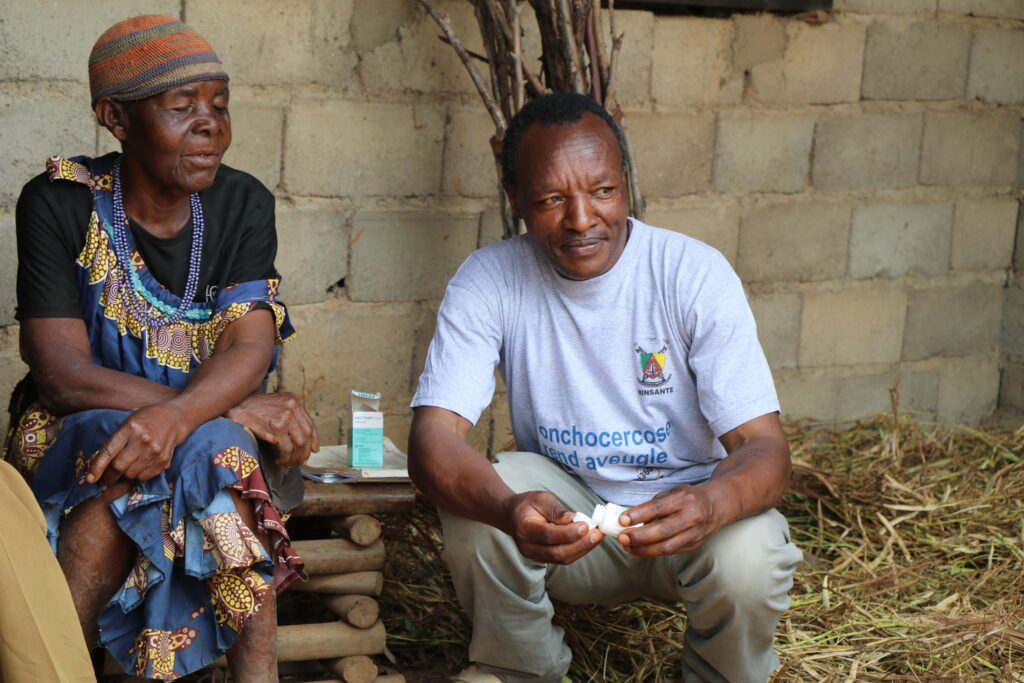
Global health reporter Stephanie Nolen traveled to the Obala health district in central Cameroon to report on the country’s decades-long effort to combat onchocerciasis, a painful, debilitating disease that can cause blindness.
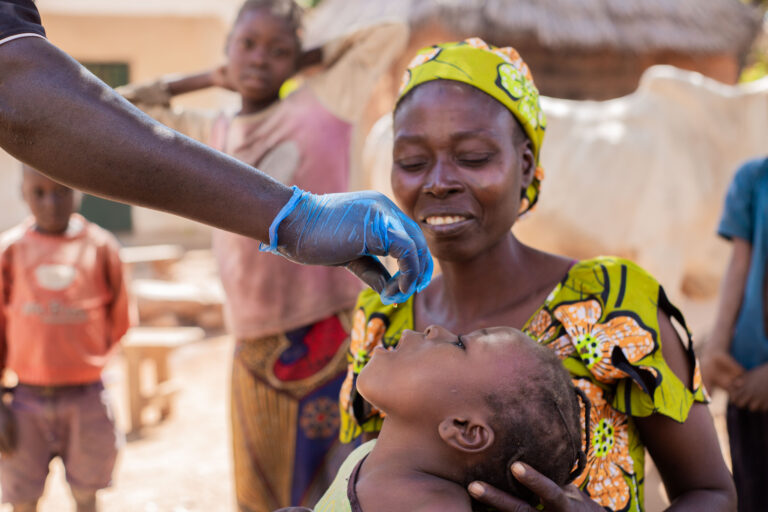
Every year in Cameroon, community health workers go door to door, treating everyone with the preventive medication needed to protect them from blinding and disabling disease. Their efforts were paying off; the West African nation was making progress towards wiping out onchocerciasis, in addition to closing in on eliminating two other neglected tropical diseases: trachoma and lymphatic filariasis.
For nearly twenty years, the US government has partnered with countries around the world to combat neglected tropical diseases. This high-impact, cost-effective program relied on donated pharmaceuticals and the dedication of hundreds of thousands of community health workers who delivered preventive medicine through large-scale drug distribution campaigns.
The program achieved remarkable success, delivering more than 3.3 billion treatments to over 1.7 billion people and helping 14 countries eliminate at least one disease. Until recently, Helen Keller supported this US-funded work in six West African countries, including Cameroon, providing transportation, training, and technical support.
But, as The New York Times reports, that progress is now under threat. Last year, the US government abruptly cut the program’s funding, and the future remains uncertain.
In the face of these challenges, Dr. Bassirou Bouba, Program Director for Helen Keller Cameroon, tells The New York Times that partners are working relentlessly to identify new sources of support to sustain our progress. Here is an excerpt:
“If programs can be restarted this year, it may be possible to preserve many of the gains…. Following news reports about the shutdown, an anonymous donor provided Helen Keller Intl with one year of funding to support campaigns previously funded by USAID in Cameroon and five other West African countries. While this funding should cover most campaign costs, it is not sufficient to support disease surveillance.
Cameroon’s Ministry of Health is now working to secure resources to take over the program in 2027. While significantly less funding is expected to be available, combining onchocerciasis treatment with mass treatment for worms and other diseases could make the effort more affordable, said Dr. Bassirou Bouba, Helen Keller’s program director in Cameroon.
‘Giving up is not an option,’ he said. ‘So we’re finding a way.’”
Read the full article in The New York Times: ‘Biblical Diseases’ Could Resurge in Africa, Health Officials Fear
Help ensure good health and nutrition for all children and families.