"Laying” The Groundwork For Health And Well-Being: From Poultry To Vegetables, Homestead Farming Empowers FamiliesWe’re bringing you a deep dive into how we empower the poorest communities in Africa and Asia with the education and resources needed to[...]
Overcoming COVID-19's challenges to prioritize children’s healthFor families who live in places where nutritious foods — along with basic healthcare — are out of reach even in the best of times, the COVID-19 crisis brings especially severe[...]
36% of all Nepalese children suffer from chronic malnutrition, with a staggering 1 in 10 experiencing it severely. Indra Kshetri and Helen Keller’s Nepal team are committed to improving the lives of the vulnerable by combating the causes and consequences of[...]
As a global pandemic endangered the world’s most vulnerable people, we responded swiftly, with a science-based strategy to address the far-reaching ripple effects of COVID-19, including rising poverty and extreme[...]
In celebration of International Women’s Day 2020, we are proud to share a report highlighting progress in our efforts not only to prevent malnutrition among vulnerable children, but also to improve the status of[...]
We welcome 2019 and all the opportunities it brings to strengthen our impact and accelerate our progress toward improving the health of the world’s most vulnerable[...]
Earning enough money was a challenge for Sharada’s family. Even though she grew vegetables to sell, they were in season only half the year. That meant her husband had to go out of the country in search of[...]
At the 2017 Spirit of Helen Keller Gala, Pooja Pandey Rana discussed the most rewarding aspects of her work, and the woman who inspires her commitment to improving[...]

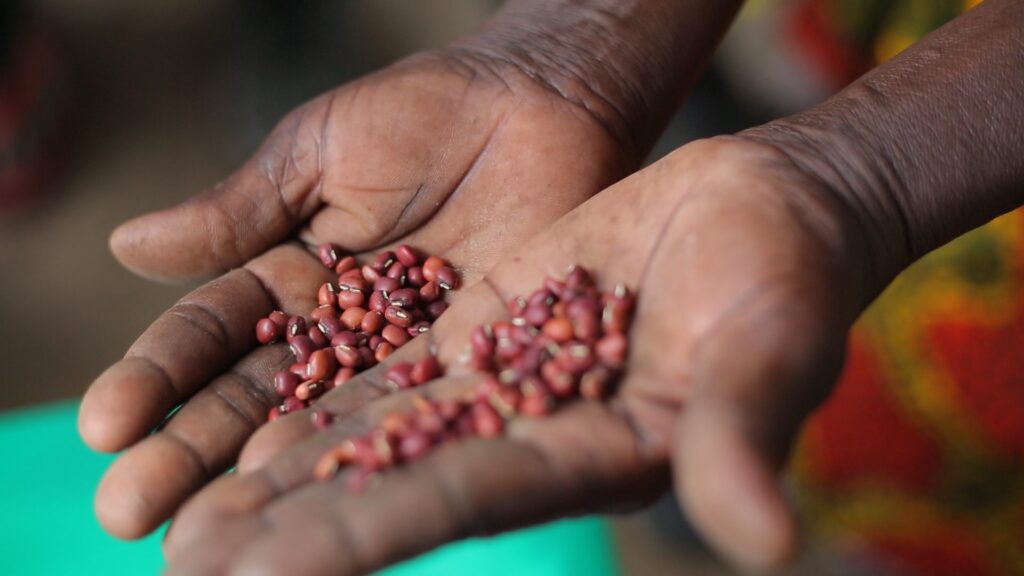 "Laying” The Groundwork For Health And Well-Being: From Poultry To Vegetables, Homestead Farming Empowers FamiliesWe’re bringing you a deep dive into how we empower the poorest communities in Africa and Asia with the education and resources needed to[...]
  Overcoming COVID-19's challenges to prioritize children’s healthFor families who live in places where nutritious foods — along with basic healthcare — are out of reach even in the best of times, the COVID-19 crisis brings especially severe[...]
  36% of all Nepalese children suffer from chronic malnutrition, with a staggering 1 in 10 experiencing it severely. Indra Kshetri and Helen Keller’s Nepal team are committed to improving the lives of the vulnerable by combating the causes and consequences of[...]
 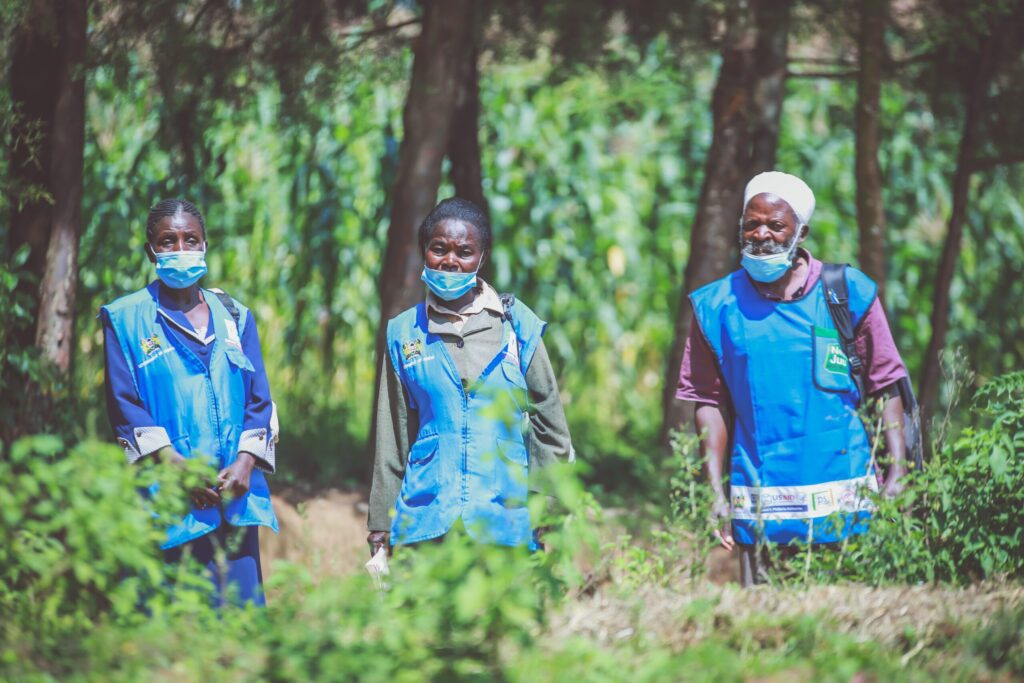 As a global pandemic endangered the world’s most vulnerable people, we responded swiftly, with a science-based strategy to address the far-reaching ripple effects of COVID-19, including rising poverty and extreme[...]
 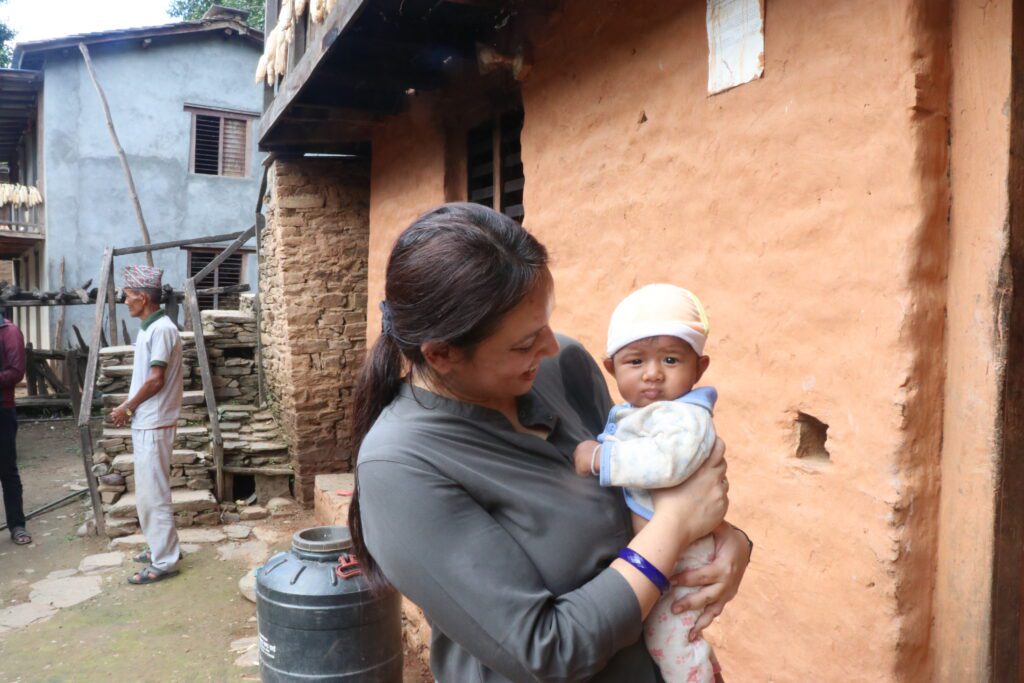 We spoke with Pooja Pandey Rana about the situation in Nepal, our COVID-19 response, and her sources of[...]
 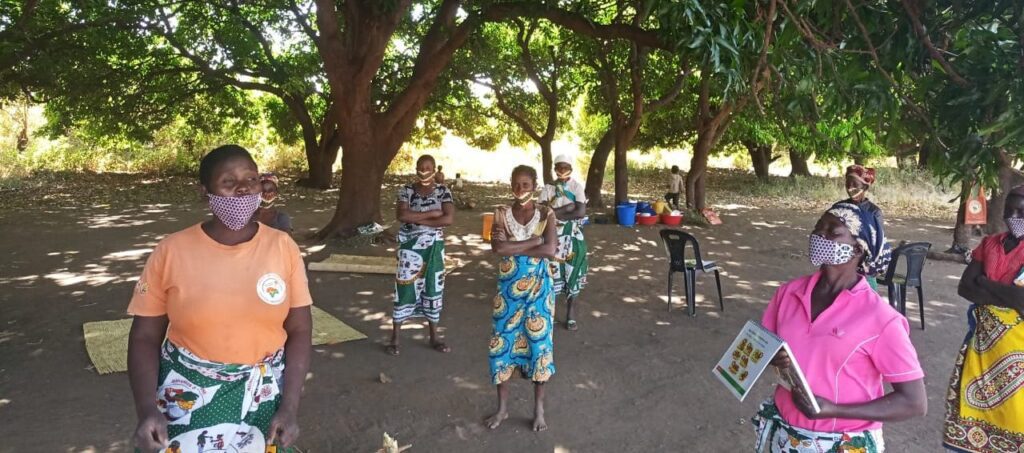 Here’s how we’re fighting the COVID-19 pandemic in eight countries, while working in solidarity with local leaders and communities to strengthen[...]
 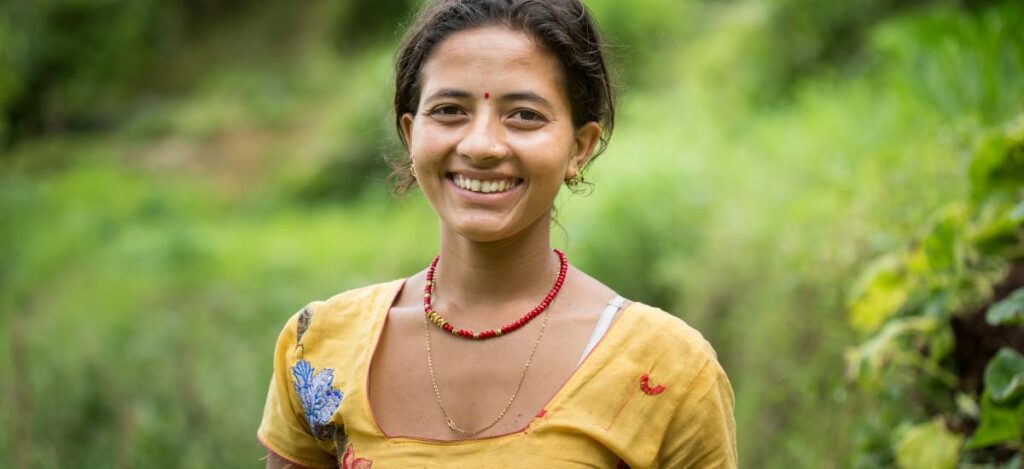 In celebration of International Women’s Day 2020, we are proud to share a report highlighting progress in our efforts not only to prevent malnutrition among vulnerable children, but also to improve the status of[...]
 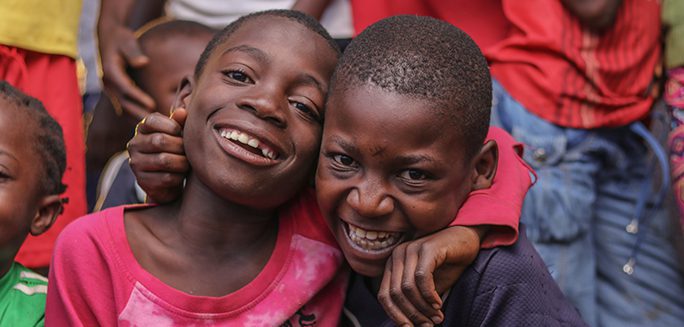 We welcome 2019 and all the opportunities it brings to strengthen our impact and accelerate our progress toward improving the health of the world’s most vulnerable[...]
 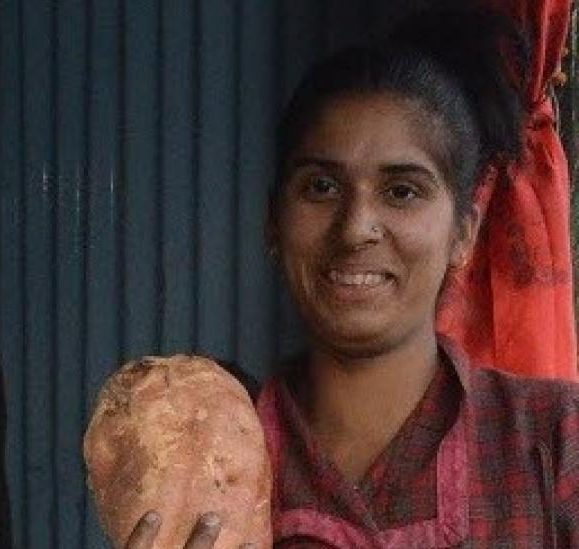 Earning enough money was a challenge for Sharada’s family. Even though she grew vegetables to sell, they were in season only half the year. That meant her husband had to go out of the country in search of[...]
 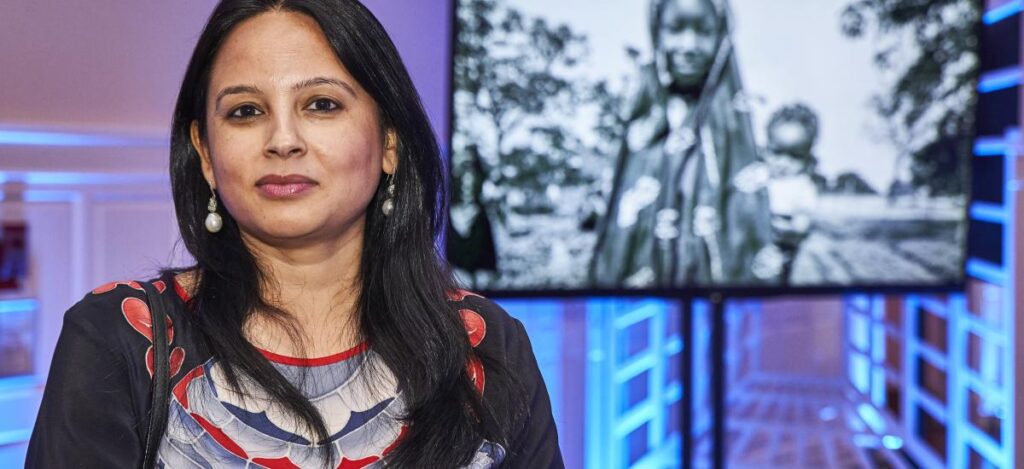 At the 2017 Spirit of Helen Keller Gala, Pooja Pandey Rana discussed the most rewarding aspects of her work, and the woman who inspires her commitment to improving[...]