Malnutrition Treatment Helps Children in Cambodia Thrive
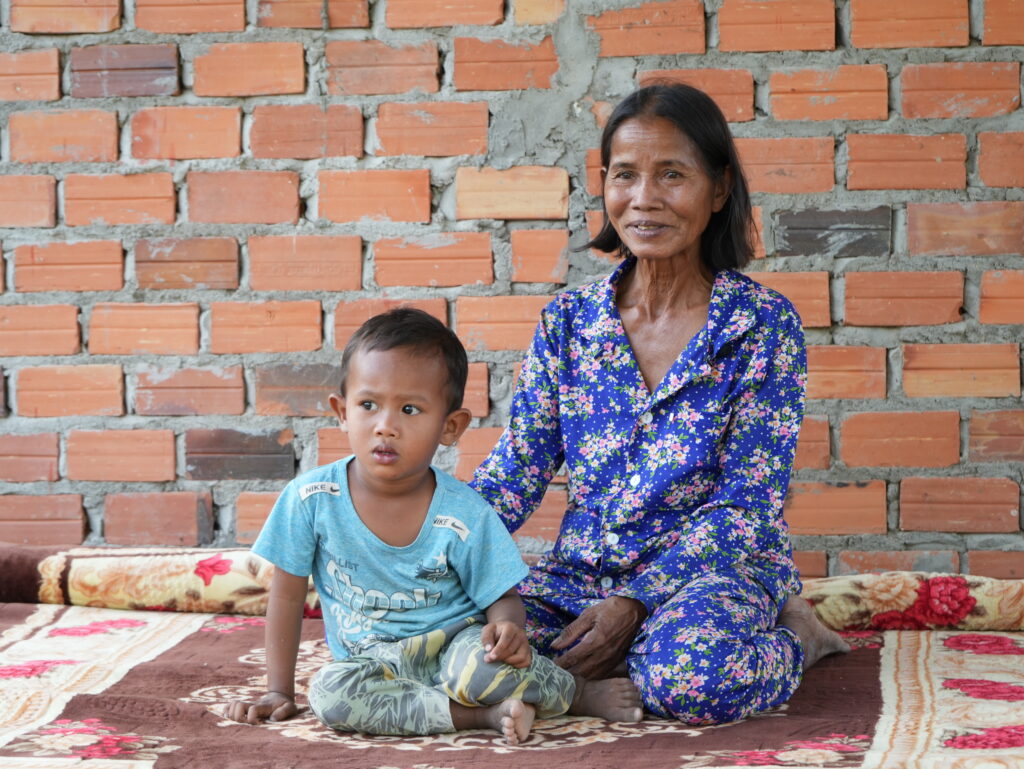
Sok Mon was worried about her grandson Bo Mongkol. The then 20-month-old had trouble even walking, let alone running or playing with the other children in their rural village in the Takeo Province of Cambodia.
“I was afraid he wouldn’t be able to walk because his legs and arms were weak and curved,” she said.
Mon looks after her grandson while his parents work in the capital, Phnom Penh. In addition to being unable to walk, she noticed Mongkol was getting sick frequently, so she brought him to the nearby Prambei Mom Health Center.
At the center, Mongkol was found to be underweight and diagnosed with malnutrition. The healthcare workers gave Mon a supply of nutrient-enriched wafers made from local ingredients to give Mongkol the added nutrition needed to recover. They also scheduled regular follow-up visits to monitor his progress.
A Risk to Children’s Long-term Health
Although Cambodia has made major strides in combating malnutrition over the past several decades, it remains a significant problem, especially for children. Across the country, 22% are stunted because of malnutrition, and 16% of families cannot afford a nutritious diet, according to the World Food Programme.
If left untreated, malnutrition can pose serious long-term consequences for a child’s health and development.
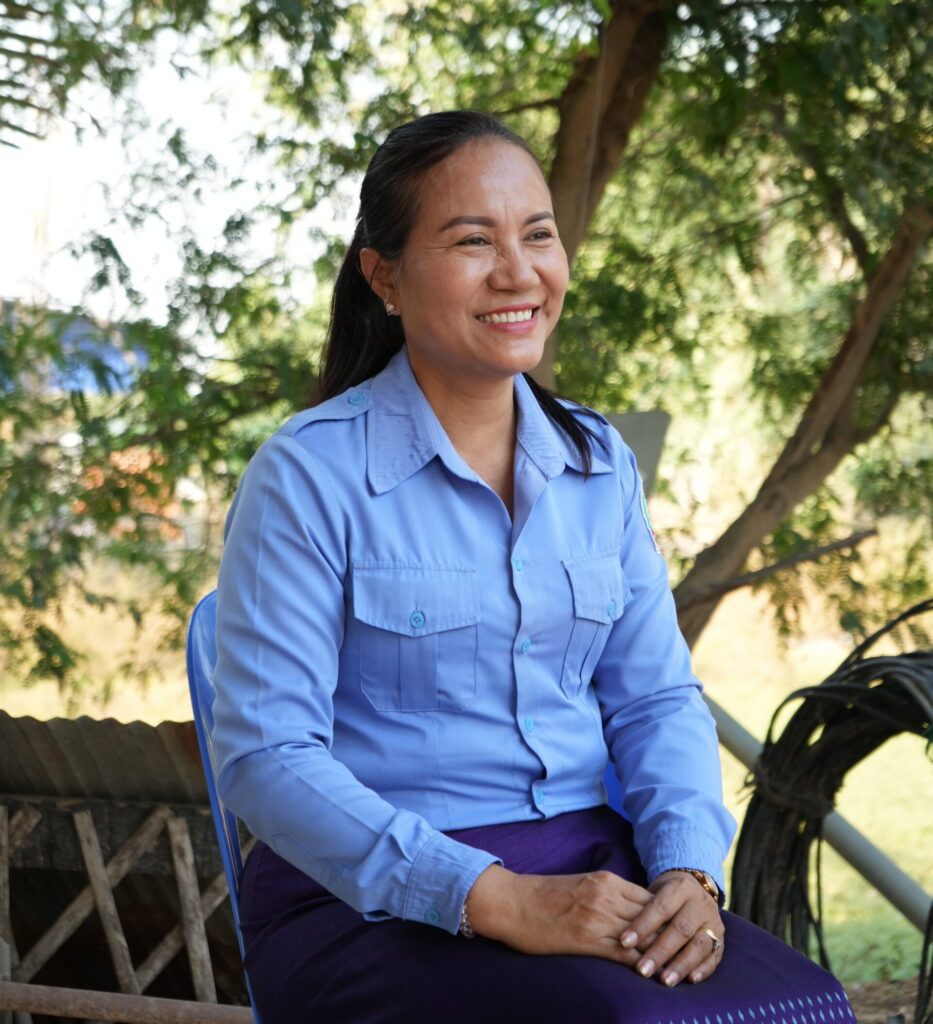
“[Malnutrition] becomes a factor that affects the overall physical health of many children,” says Sao Sokunthy, Maternal Child Health Chief of Kirivong District in Takeo Province. “Growth is also negatively affected, especially in the development of the child’s brain and cognitive abilities.”
Children suffering from malnutrition are also often more susceptible to common childhood illnesses, as Mongkol was.
Helen Keller Intl has partnered with the government of Cambodia to improve and expand screening and treatment for malnutrition. We provided training at all levels of the healthcare system within the program area on screening, diagnosing, and treating malnutrition.
According to Sokunthy, many parents in the communities where she works did not know how to recognize malnutrition, and children were not typically screened for it at health centers.
“However, when we started our program to identify malnourished children, we observed that our staff at the health centers gained valuable knowledge,” she says. “As a result, they now have the expertise to provide additional counseling, helping mothers and families understand the benefits of treating malnutrition.”
Malnutrition is typically treated with foods enriched with a lifesaving mix of essential nutrients in a format that is easy for children to eat, such as a paste, bar, or wafer cookie. While many cases can be treated at home, more severe forms of malnutrition with medical complications may require a referral to a hospital for intensive treatment.
Community health workers are also working to prevent malnutrition before it starts by providing health and nutrition education to parents and caregivers. These community sessions focus on the importance of good nutrition for children and how to provide the healthy foods children need.
“We teach them everything to ensure they accept all the methods for proper feeding, so that the child can eat well and have enough food,” says Sokunthy.
Recovering Health through Nutrition
Soon after her grandson began treatment for malnutrition, Mon noticed his health was improving. She made sure to bring him to regular check-ins at the health clinic to ensure the treatment was working. Mon was overjoyed when Mongkol reached a healthy weight after a few months and was able to play with the other village children again.
“I am incredibly happy because before, I was afraid that my grandson might become paralyzed,” she says.
Sokunthy is proud of the progress she and the other healthcare workers in her province have made in the fight against malnutrition and would like to see this work expanded to help more children like Mongkol.
“Hopefully, all children will be healthy, and our thriving village will become a model for our area and for all of Takeo Province,” she says.
Because of generous support like yours, last year we reached 15,000 children in Cambodia with malnutrition screenings and provided treatment to 94% of those with moderate to severe malnutrition.
Donate today to help us fight malnutrition in Cambodia and around the world.