Speaking Technically: Improving Nutrition through Large-scale Food Fortification in Madagascar
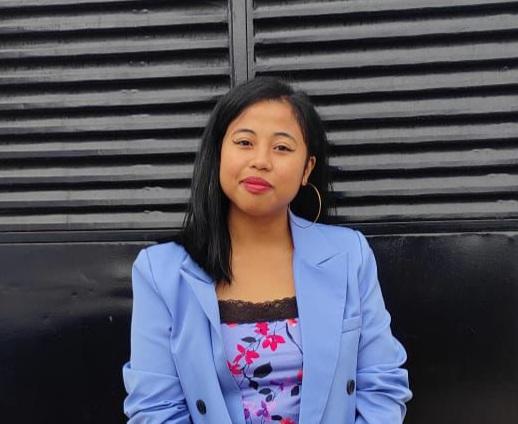
Based in Antananarivo, Britney H. Rasolonirina Andrianjanaka leads our food fortification work in Madagascar. Together with government officials, business leaders, and nonprofit partners, she’s working to bring fortified staple foods – such as flour and oil – to the market. We recently spoke with Britney to learn more about her efforts to scale up this simple, cost-effective approach to improving nutrition.
First things first: what is food fortification and how does it support good nutrition?
Food fortification is the process of adding essential vitamins and minerals, such as iron and vitamin A, to staple foods that people consume regularly.
Every food has an initial nutritional value, and through fortification, we enhance that. We often talk about chronic and acute malnutrition, but there’s also hidden hunger – micronutrient deficiencies – that often go unnoticed. Even if a person eats enough calories, they may still lack key nutrients. This hidden hunger affects cognitive development, immune function, and overall health, especially among groups like children and pregnant women.
Food fortification is an especially cost-effective, scalable, and equitable way to respond to this challenge. In countries like Madagascar, where many people eat similar staple foods but don’t always have access to fruits, vegetables, and animal-sourced foods, fortification helps fill the nutrient gap and prevent irreversible consequences of hidden hunger.
What products will be fortified in Madagascar?
We’re prioritizing staple products that are widely consumed across all socioeconomic groups: cooking oil and bouillon cubes.
For food fortification to have a broad impact, we focus on highly consumed foods that are eaten regularly by at least 60–70% of people. Our goal is to reach the whole population – that’s why we call it large-scale food fortification.
How might a family in Madagascar use bouillon or oil when preparing a meal?
Even in the most rural areas, families use these products in everyday, basic recipes for breads, soups with leafy vegetables, stews with cassava, and sauces. In rural places in particular, communities don’t have much access to meat – it’s too expensive. So, people eat a lot of vegetables and rice, and we use bouillon to add flavor to those dishes.
Cooking oil and bouillon are such effective vehicles for micronutrients because they are used by all households, even in communities that don’t have access to diversified diets.
What needs to happen to bring fortified products to market in Madagascar?
So much! We’re working to create the right conditions in the public and private sectors to make large-scale fortification possible. This means collaborating with government institutions, private companies, regulatory bodies, and civil society.
One of our major advocacy efforts is pushing for tax exemptions on fortification premix – the essential blend of vitamins and nutrients added during the fortifying process. Removing import taxes lowers production costs, making fortified foods more affordable. So, we’re working with the Ministry of Health to present the public health case for this policy.
At the same time, we must engage the private sector, because fortification only becomes sustainable when industry takes the lead. The challenge is that businesses naturally think about profitability, not public health. So, we focus on, 1) showing fortification can be cost-effective, 2) advocating for a market-enabling environment, and 3) supporting the development of quality control systems to build trust and differentiate fortified products.
Finally, dialogue is key. We’ve convened working groups with industry, regulators, customs officials, and health experts to align on practical steps. Fortification may be a technical solution, but its success is political – it requires negotiation, patience, and partnership. That’s why advocacy is so essential.
Tell us about your journey to Helen Keller. Why are you passionate about nutrition?
I am a food scientist and technologist. In school, I learned about the processes that make food safe, nutritious, and accessible. While I was a student, I had the opportunity to visit rural communities here in Madagascar, where I saw the real challenges people face in accessing nutritious food. It was eye-opening, and I saw how food technology could address hidden hunger and micronutrient deficiencies. It motivated me to use food science not just for academic purposes, but to create a meaningful impact at the community level.
Joining Helen Keller gave me the opportunity to use my training to benefit others, which deeply resonates with my values. Slowly but surely, we are building the right environment for food fortification to become a sustainable and effective strategy to improve community nutrition. I am passionate because I know that every action I take – whether it’s something small, like a follow-up email, or big, like organizing an advocacy meeting with partners at the Ministry of Health – is a step toward something so much bigger: a healthier, nourished world for all.
Helen Keller’s large-scale fortification work in Madagascar is made by possible by Deutsche Gesellschaft für Internationale Zusammenarbeit (GIZ).
Help all children and families access better nutrition.