Better Nutrition Means Better Health for Moms and Babies in Nepal
During her first pregnancy, Sanjita received iron-folic acid tablets as a prenatal supplement but had trouble with the pills. “I had a struggle taking the tablets. It smelled bad,” says Sanjita.
Sanjita, 27, is now the mother of two children, living in the suburbs of Dang in Nepal’s Lumbini province. Her son is eight years old, and three months ago, she gave birth to a daughter.
During a visit to the nearby health center in her second pregnancy, Sanjita was excited to learn that she could choose between iron-folic acid and multiple micronutrient supplements, a comprehensive prenatal supplement that includes 15 essential vitamins and minerals.
“[The] nurse there told me about a new type of prenatal pill. She told me about the features of iron-folic acid and the new comprehensive prenatal vitamin pill. I found the new pill to be better as it consisted of more micronutrients,” says Sanjita.
Expanding Access to Comprehensive Prenatal Vitamins
Over the past three decades, Nepal has made steady progress in improving maternal and child health and nutrition. However, child mortality rates are still high, with 21 out of every 1,000 newborns dying in the first month of their life. Undernutrition in pregnancy can increase the risk of child mortality and lead to other complications, including low birthweight and premature birth. In Nepal, three in ten women suffer from anemia due to iron deficiency. The prevalence, however, varies by province and in the Lumbini province, where Sanjita lives, nearly half of all women are anemic.
Like many other countries with high anemia rates, the government of Nepal has long supported iron-folic acid supplementation as a key intervention for pregnant women to save lives and improve nutrition. But emerging evidence shows that these two micronutrients alone are not sufficient to meet the nutritional needs of pregnant women. Therefore, many countries, including Nepal, are planning to shift to providing comprehensive prenatal vitamins, which offer a more complete suite of vitamins and minerals.
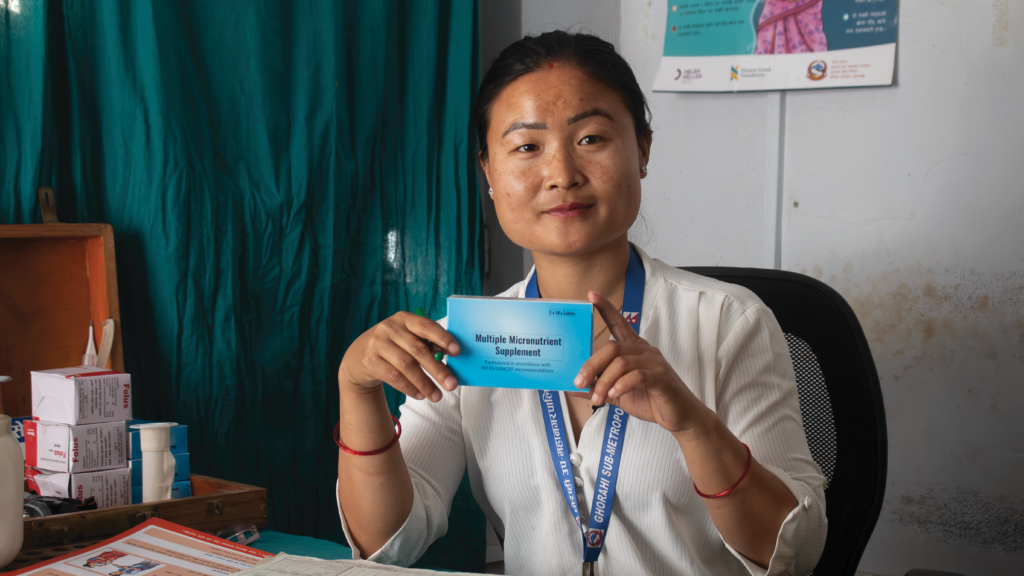
With funding from the Eleanor Crook Foundation, Helen Keller Intl is supporting Nepal’s Ministry of Health and Population to assess the feasibility of transitioning from iron-folic acid to multiple micronutrient supplements and to identify potential challenges to the switch.
The Laxmipur Primary Health Center, where Sanjita went for her prenatal checkup, is one among 150 government health facilities now offering pregnant women a choice between iron-folic acid and multiple micronutrient supplements, while also gathering feedback on their experiences.
“This initiative will provide us with vital information for the future,” says Dr. Bibek Kumar Lal, Director of the Ministry’s Family Welfare Division. “For example, whether pregnant women liked its taste, or felt any practical difficulties. Or, if the health workers felt any difficulty in its distribution or storage. We will know about these issues beforehand.”
He says this information and data will inform the government’s future efforts to expand access to comprehensive prenatal vitamins across the country, while also helping them address local challenges and barriers to distribution.
Happy and Healthier Moms and Babies
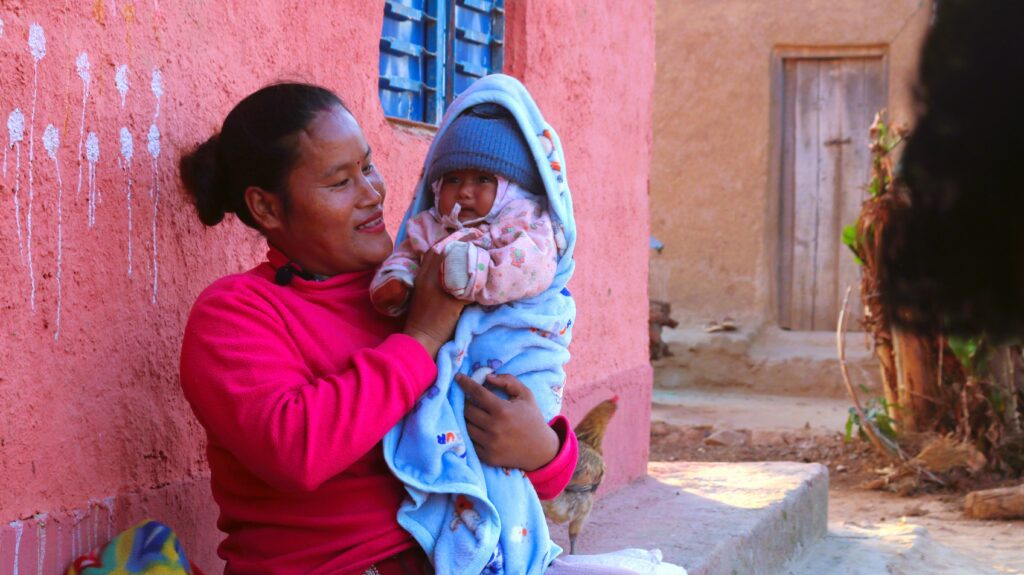
So far, women taking multiple micronutrient supplements in Nepal have provided positive feedback about the nutrient-loaded pills and the prenatal care they received with them. Sanjita appreciated the regular follow-ups and reminders from health workers, which helped her take the vitamins on schedule.
“With iron-folic acid, there was not as much follow-up,” she says. “But with this pill, they had given me a calendar. Every day after taking the pill, I would circle the day. Therefore, I didn’t miss any dosage, either.”
Sanjita also found that she preferred the comprehensive prenatal vitamins because they didn’t have a strong smell like the iron-folic acid tablets. This made them easier to take, and she found the experience was positive overall.
Sanjita says, “I gained a healthy weight, 12 kg, during my pregnancy. My child was also born healthy. I am happy that I took the new [multiple micronutrient supplement] pill.”
Through this initiative, Helen Keller has helped provide multiple micronutrient supplements to more than 2,300 pregnant women. Once the Nepali government expands distribution of these comprehensive prenatal vitamins, over 600,000 pregnant women like Sanjita – and their babies – are expected to benefit each year from the improved nutrition they provide.
Donate today to help make a difference like these in 2026.