Considering the multi-dimensional impacts of the COVID-19 pandemic on the health system, Bangladesh, like many other countries, has been facing severe challenges in its food system. This ultimately affect the overall nutritional status of women and children,[...]
Zing Pian Bawm now grows coffee to earn money for her family Nestled in Bangladesh’s hill tract region, the Bandarban district is one of the country’s hidden gems, featuring pristine and picturesque natural beauty. But due to its seclusion, residents in[...]
As a global pandemic endangered the world’s most vulnerable people, we responded swiftly, with a science-based strategy to address the far-reaching ripple effects of COVID-19, including rising poverty and extreme[...]
We welcome 2019 and all the opportunities it brings to strengthen our impact and accelerate our progress toward improving the health of the world’s most vulnerable[...]
Helen Keller International’s homestead food production programs have been featured in a new book called “Nourishing Millions: Stories of Change in Nutrition.” Published by the International Food Policy Research Institute (IFPRI), the book uses[...]
Over three million children die every year due to causes related to malnutrition—most of them in low-income countries. The situation is particularly serious in Bangladesh where 40 percent of children suffer from chronic undernutrition, leaving their growth[...]
“One day I returned from the field and found that [my husband] had gone to draw the water and fill the cask. He had also made the fire, and told me to go wash up before coming to cook…the women in our village, seeing a man do all this for[...]
Suchona Chakma's Healthy FamilySuchona Chakma lives in Nobin Chandra in the Khagrachari district of Bangladesh with her two daughters and husband. They do not have any land or a house of their own so they are living with another household. Her husband is a[...]

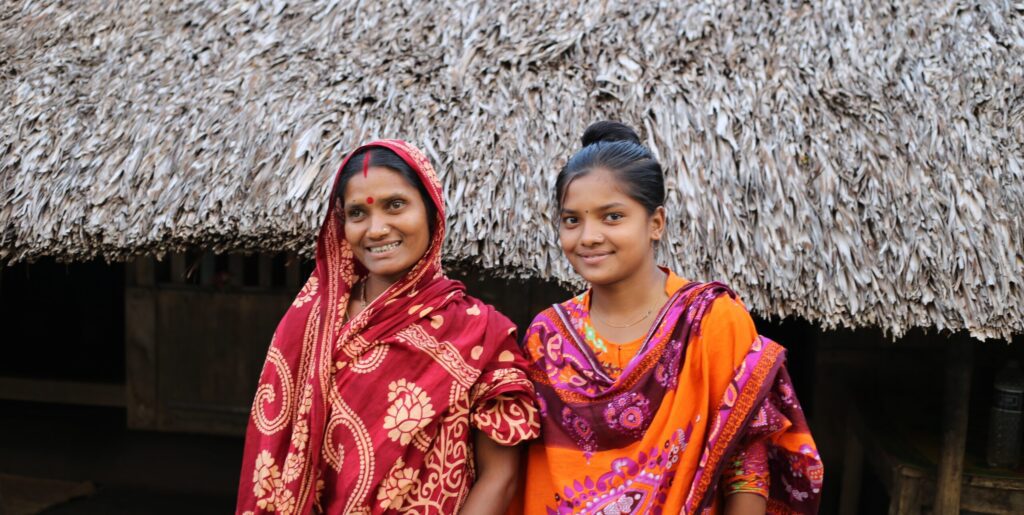 Considering the multi-dimensional impacts of the COVID-19 pandemic on the health system, Bangladesh, like many other countries, has been facing severe challenges in its food system. This ultimately affect the overall nutritional status of women and children,[...]
 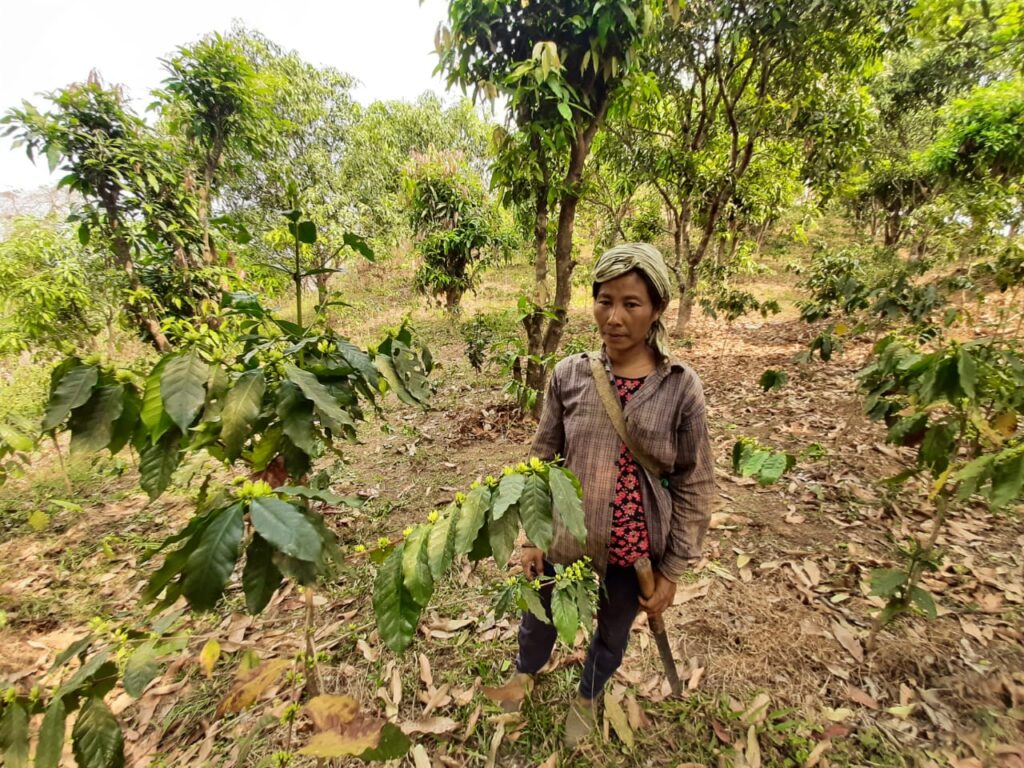 Zing Pian Bawm now grows coffee to earn money for her family Nestled in Bangladesh’s hill tract region, the Bandarban district is one of the country’s hidden gems, featuring pristine and picturesque natural beauty. But due to its seclusion, residents in[...]
 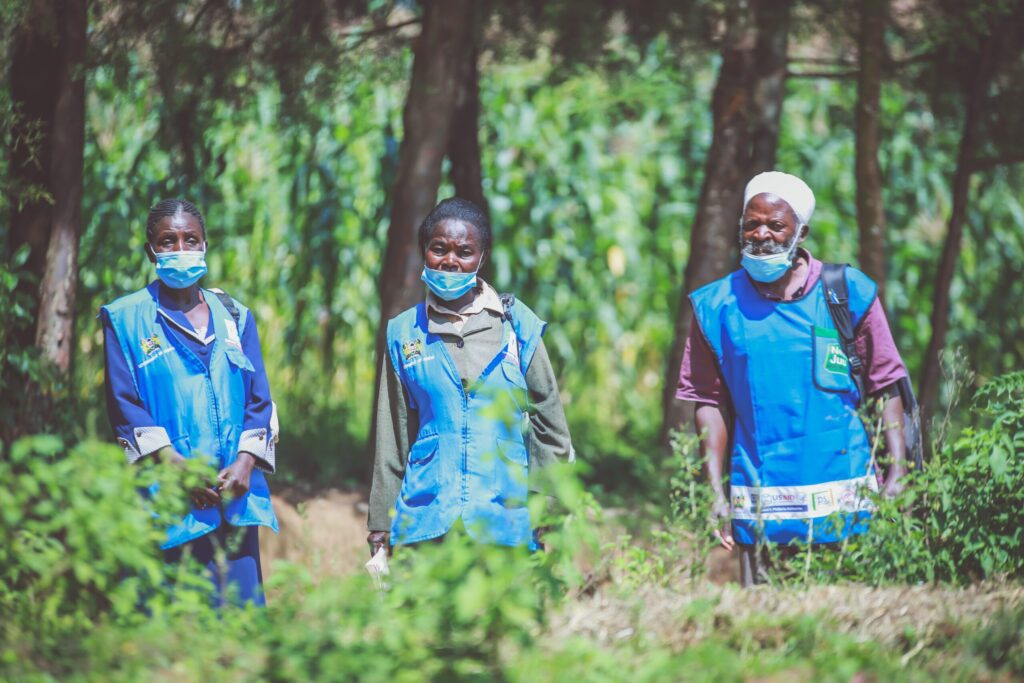 As a global pandemic endangered the world’s most vulnerable people, we responded swiftly, with a science-based strategy to address the far-reaching ripple effects of COVID-19, including rising poverty and extreme[...]
 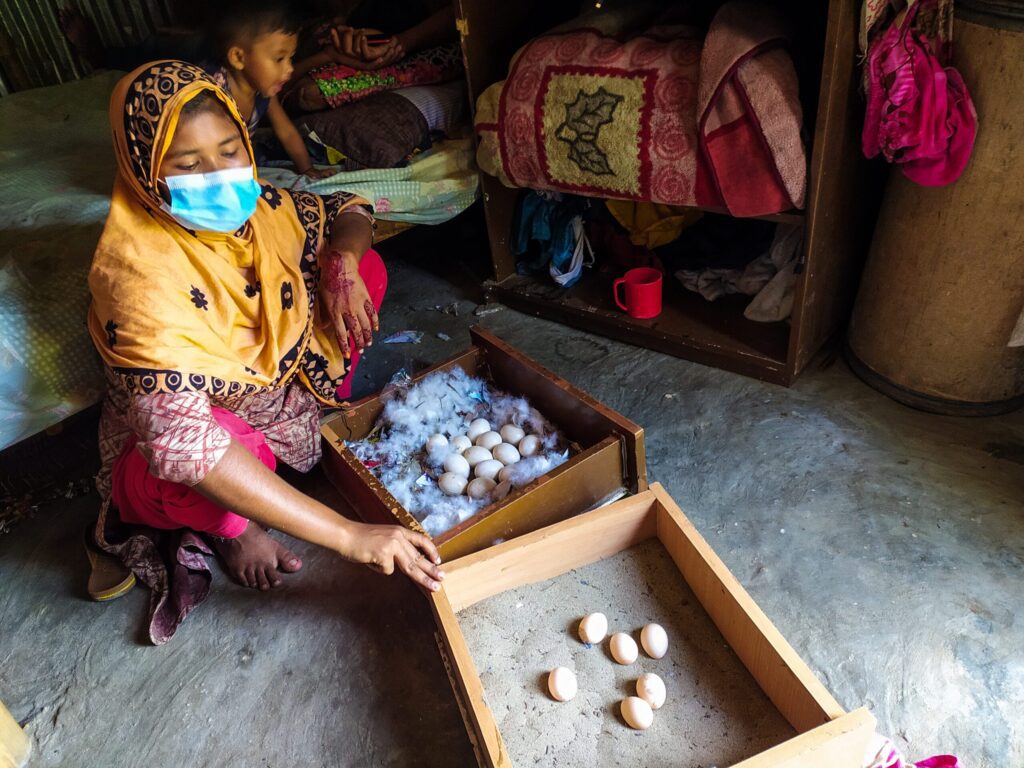 The global COVID-19 pandemic has exposed cracks in societies around the world. Through adaptation and innovation, we have met the demands of the[...]
 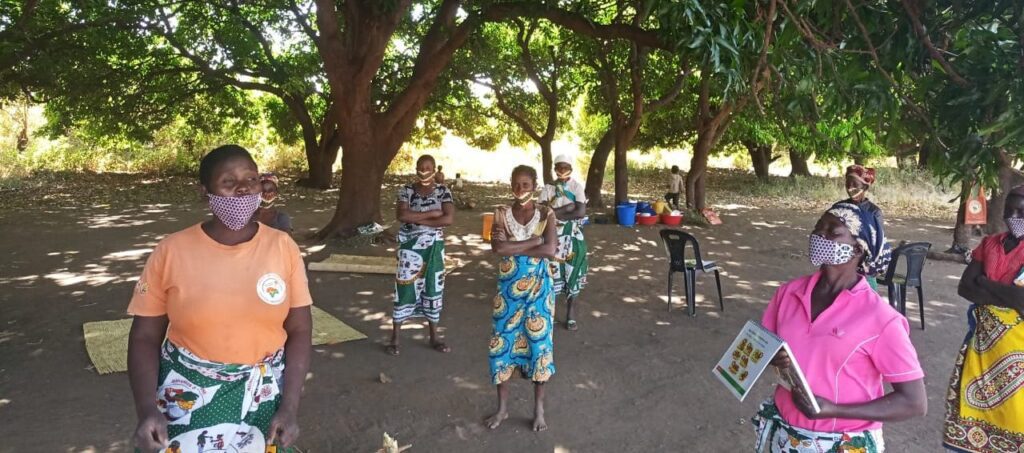 Here’s how we’re fighting the COVID-19 pandemic in eight countries, while working in solidarity with local leaders and communities to strengthen[...]
 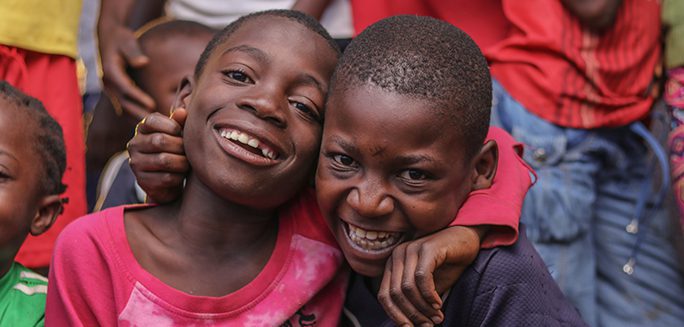 We welcome 2019 and all the opportunities it brings to strengthen our impact and accelerate our progress toward improving the health of the world’s most vulnerable[...]
 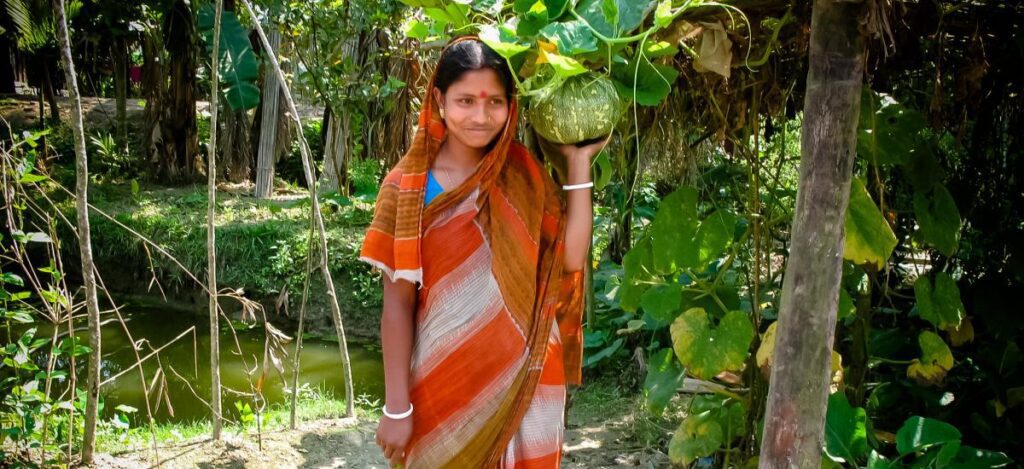 Helen Keller International’s homestead food production programs have been featured in a new book called “Nourishing Millions: Stories of Change in Nutrition.” Published by the International Food Policy Research Institute (IFPRI), the book uses[...]
 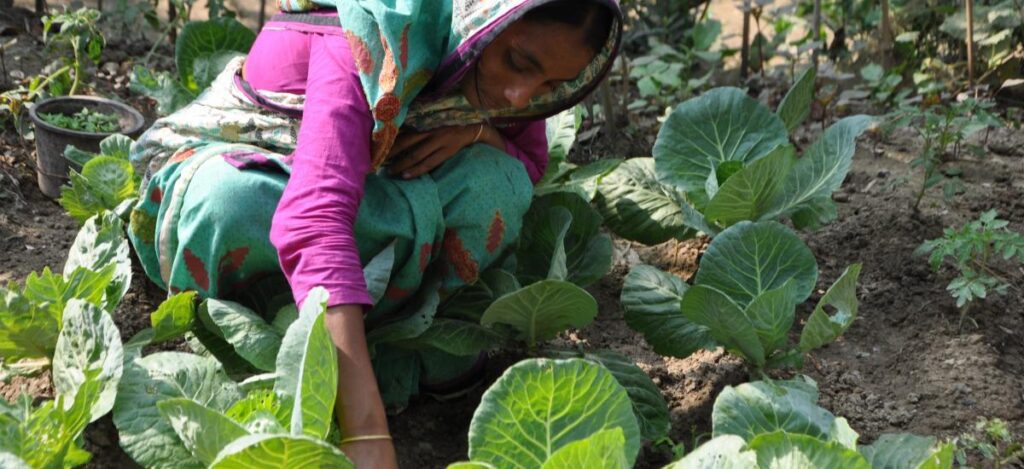 Over three million children die every year due to causes related to malnutrition—most of them in low-income countries. The situation is particularly serious in Bangladesh where 40 percent of children suffer from chronic undernutrition, leaving their growth[...]
 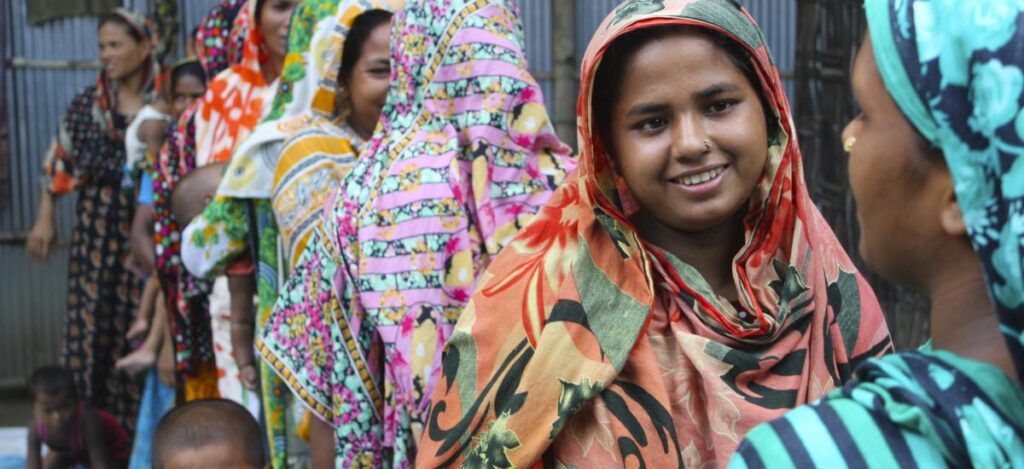 “One day I returned from the field and found that [my husband] had gone to draw the water and fill the cask. He had also made the fire, and told me to go wash up before coming to cook…the women in our village, seeing a man do all this for[...]
 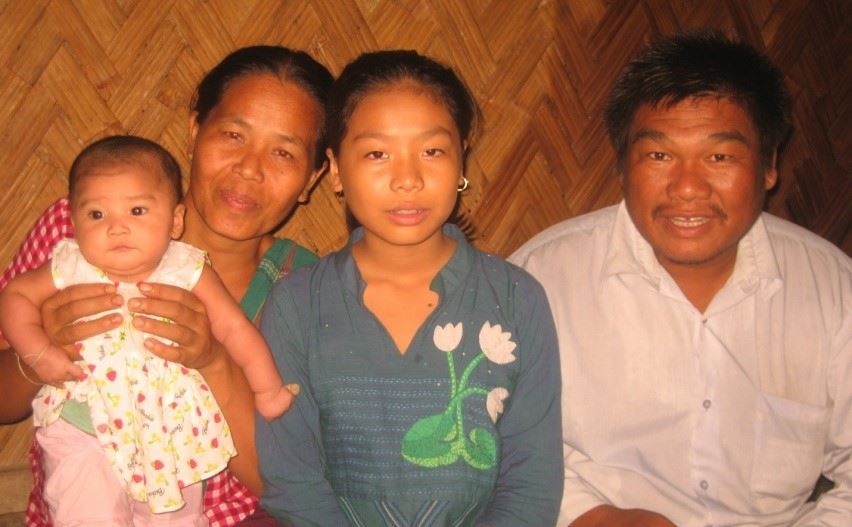 Suchona Chakma's Healthy FamilySuchona Chakma lives in Nobin Chandra in the Khagrachari district of Bangladesh with her two daughters and husband. They do not have any land or a house of their own so they are living with another household. Her husband is a[...]