The Health Worker Determined to Reach Every Child with Vitamin A
In Morondava, on Madagascar’s west coast, life revolves around fishing, agriculture, and lively markets. However, the Malagasy people there face difficulties in accessing healthcare. During the rainy season, roads and paths become mud traps, slowing down the delivery of essential nutrients and complicating the monitoring of nutritional interventions, such as vitamin A distribution. In some rural areas, lack of security poses an additional obstacle.
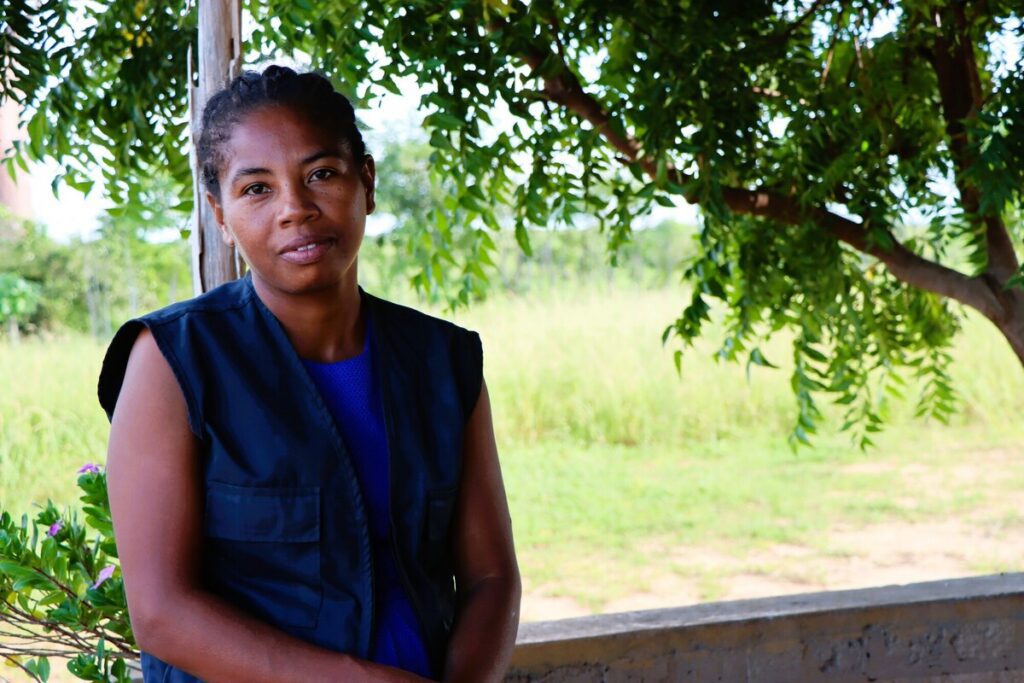
Yet, Jemima, Morondava’s District Health Officer, fights every day to ensure that nutrition is a right for all, not a privilege for some. “I can’t let difficult conditions prevent our community from accessing adequate nutrition,” she confides with determination.
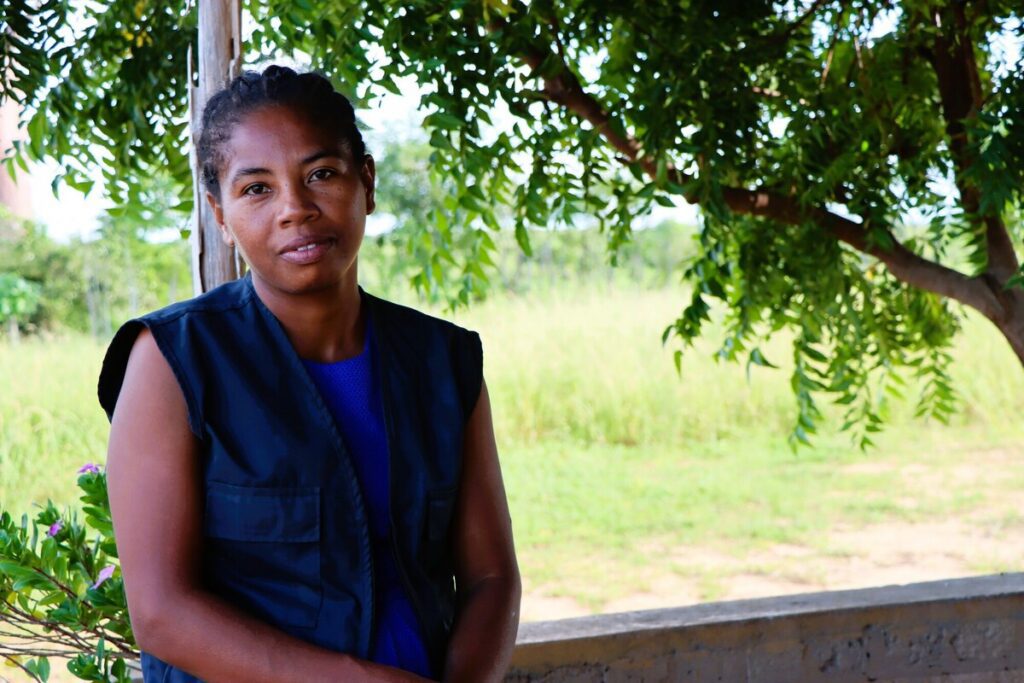
Jemima tirelessly crisscrosses the district’s 18 Basic Health Centers, training community workers, monitoring progress, and speaking with mothers about feeding practices. Her commitment goes far beyond her technical responsibilities; she is committed to a mission of social justice.
Integrating Vitamin A Supplementation in the Health System
Situated off the southeastern coast of Africa, Madagascar is the world’s fourth-largest island. It is home to 28 million people, more than half of whom live in rural areas and rely on subsistence farming for their food and livelihoods. These families are highly vulnerable to extreme weather events, such as droughts and cyclones, which can lead to persistent poverty and undernutrition.
Less than 25% of Malagasy children under the age of two eat a minimum acceptable diet, and 40 percent under age five suffer from stunting (short for their age). Such widespread undernutrition, combined with poor access to an already weak health infrastructure, has led to tragically high rates of child mortality.
A small but mighty solution to protecting children’s health, along with their sight, is vitamin A. In fact, in lower-income countries that have adopted Vitamin A for children, it has been proven to save lives on a large scale.
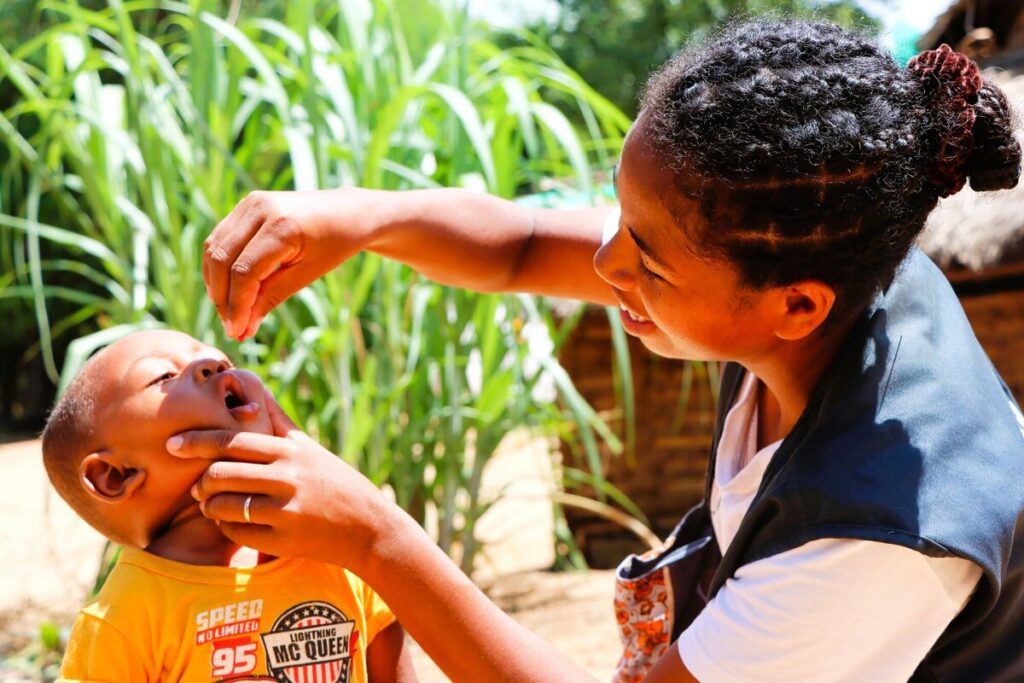
Since 2023, Helen Keller Intl has partnered with the Madagascar Ministry of Health and partners like UNICEF to bring vitamin A to children most in need. More recently, Helen Keller has supported the government’s efforts to integrate vitamin A into routine health services. With generous funding from GiveWell donors, we’ve trained local health workers, such as Jemima, to ensure that all children under the age of five receive vitamin A.
When Partnership Becomes a Driver of Change
With Helen Keller’s support, Jemima’s team is able to implement concrete solutions tailored to local realities. They have organized door-to-door visits to identify children who have not received their dose of Vitamin A in the last six months; promoted vitamin A awareness in remote communities; strengthened the skills of health workers and community volunteers; and helped the government monitor routine progress. These actions are helping improve access to vitamin A, even in the most isolated areas, reaching 88% of the children under the age of five.
Thanks to the untiring efforts of health workers like Jemima, we are seeing similar progress across the eight regions where Helen Keller works.
Jemima is much more than a district health manager. She is a community leader and a builder of a healthier future for Madagascar. And at her side, Helen Keller continues to make nutrition a tool for sustainable change.
Help dedicated health workers like Jemima overcome barriers and reach communities with the health care they deserve.