A Day in the Life of Bockarie Kamara, a Community Drug Distributor in Sierra Leone [Photo Essay]
Before many people begin their day, community drug distributor Bockarie Kamara is already preparing to walk through his hometown of Potoru in Sierra Leone’s Pujehun District.
For Bockarie, the journey from one household to another is more than a routine visit. It is part of a community effort to combat onchocerciasis, a neglected tropical disease that continues to affect communities in many parts of Sierra Leone.
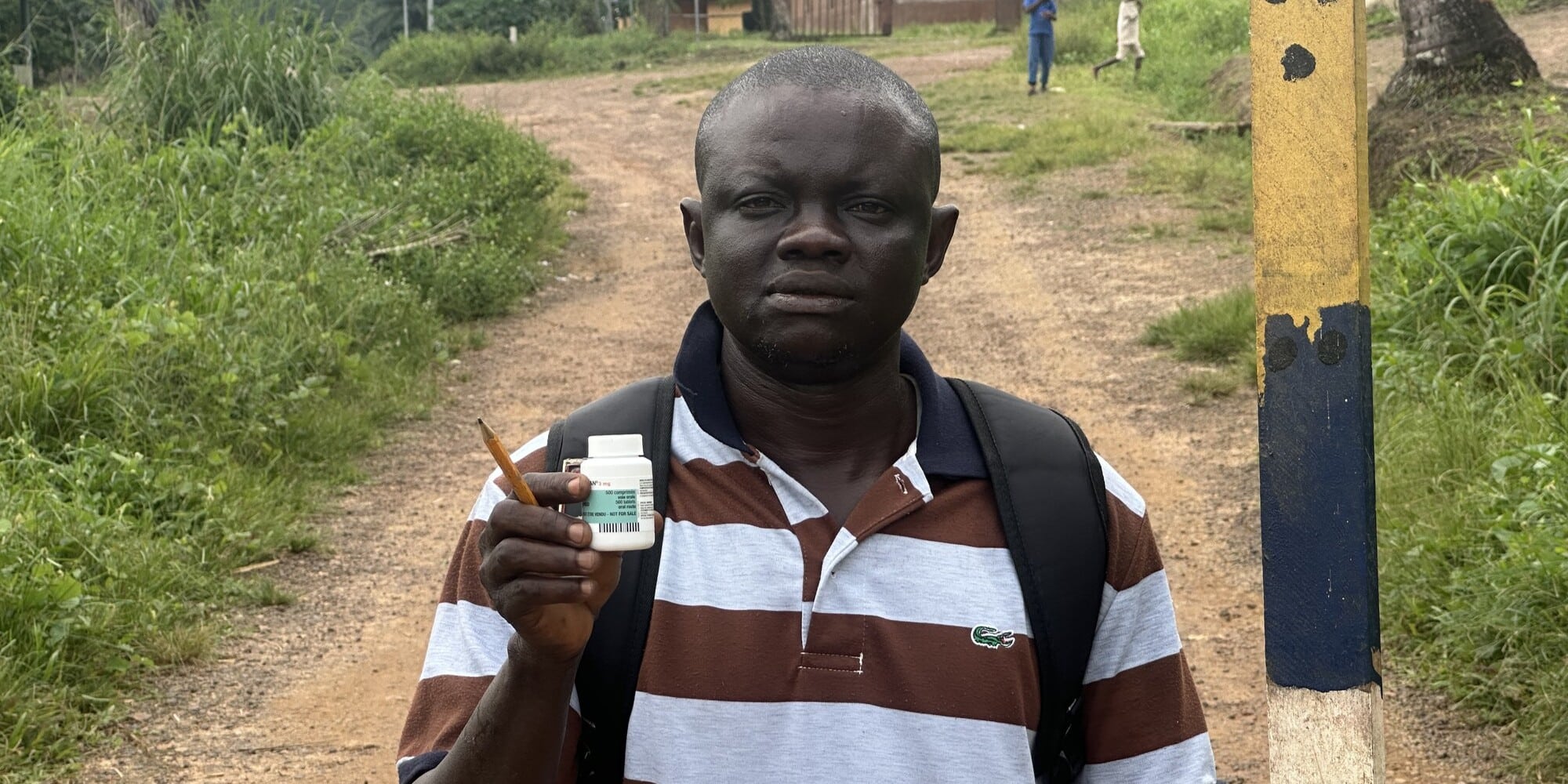
A father of three, Bockarie, has taken on the responsibility of reaching people in his community with the medication ivermectin, provided free of charge through the national neglected disease program. His responsibility during the campaign is to reach every household in his assigned communities.
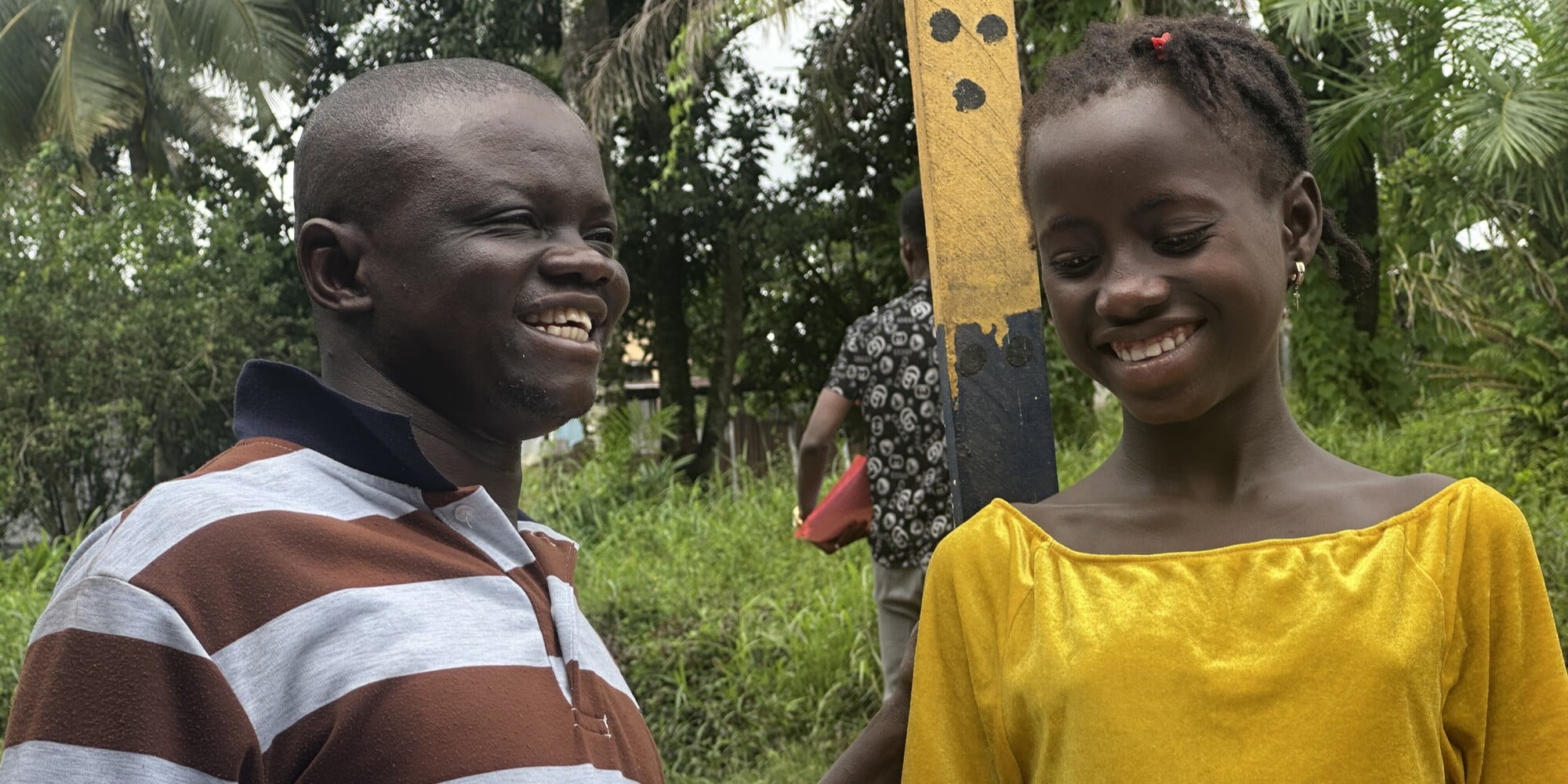
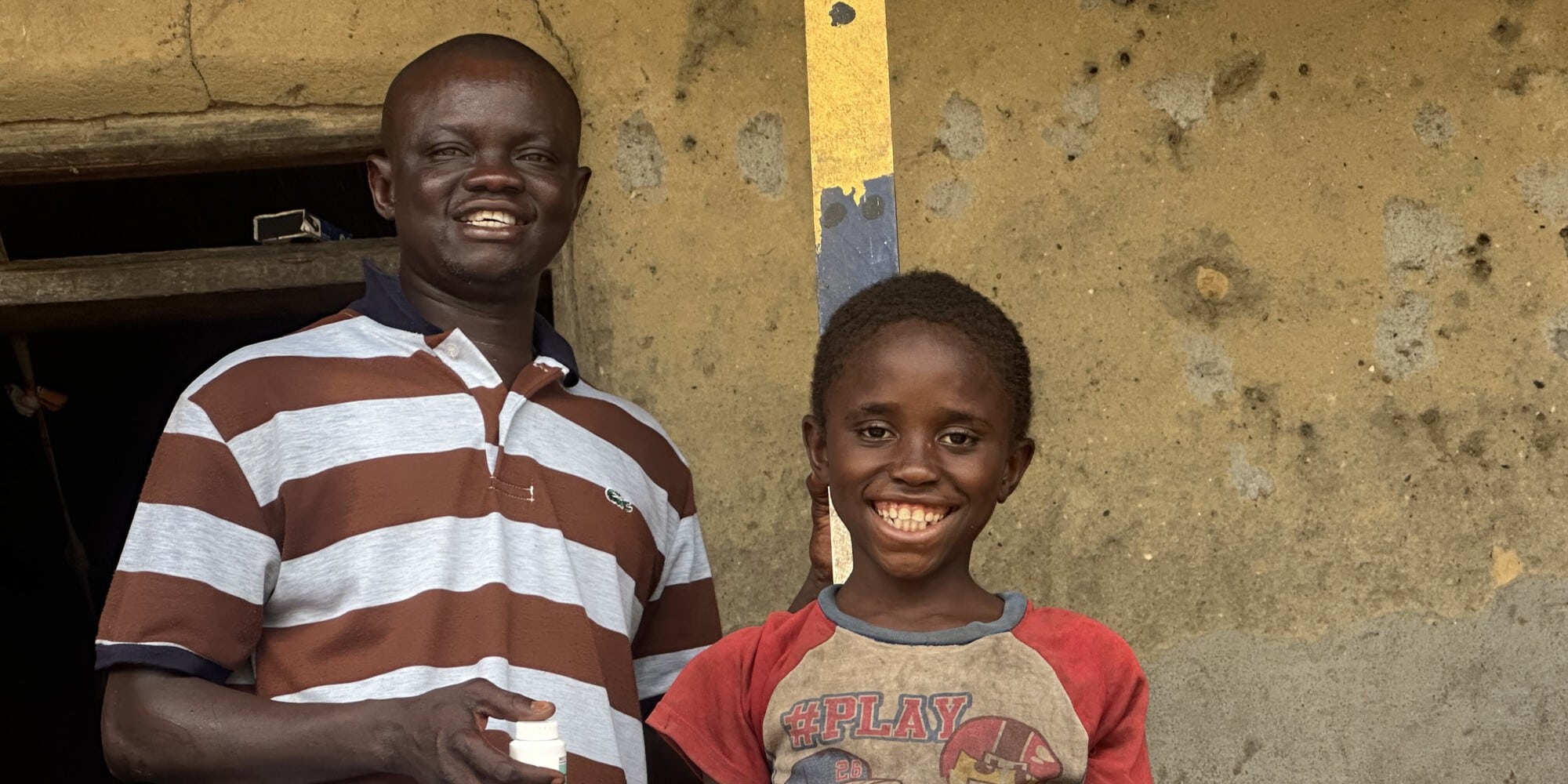
Carrying the medicines and the materials he needs for distribution, Bockarie moves from household to household. The homes he visits reflect the rural character of Potoru town, with some built from mud and thatch.
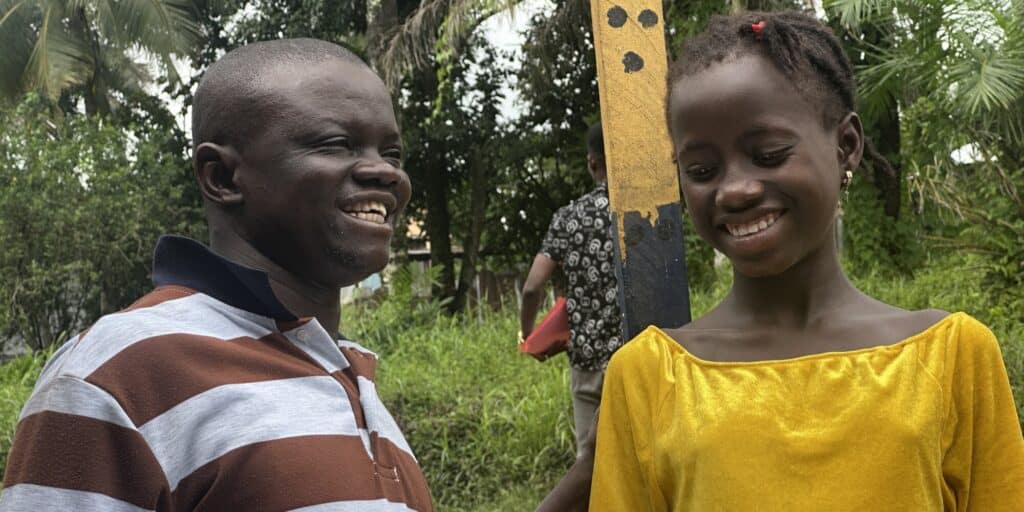
At each stop, he begins with a greeting. Before administering the medication, Bockarie takes time to speak with the household members and seek their verbal consent. He explains what he is there to do and allows the potential recipient to decide whether to participate. For Bockarie, this moment is important. The distribution is not simply about handing out tablets. It is also about trust, communication, and understanding.
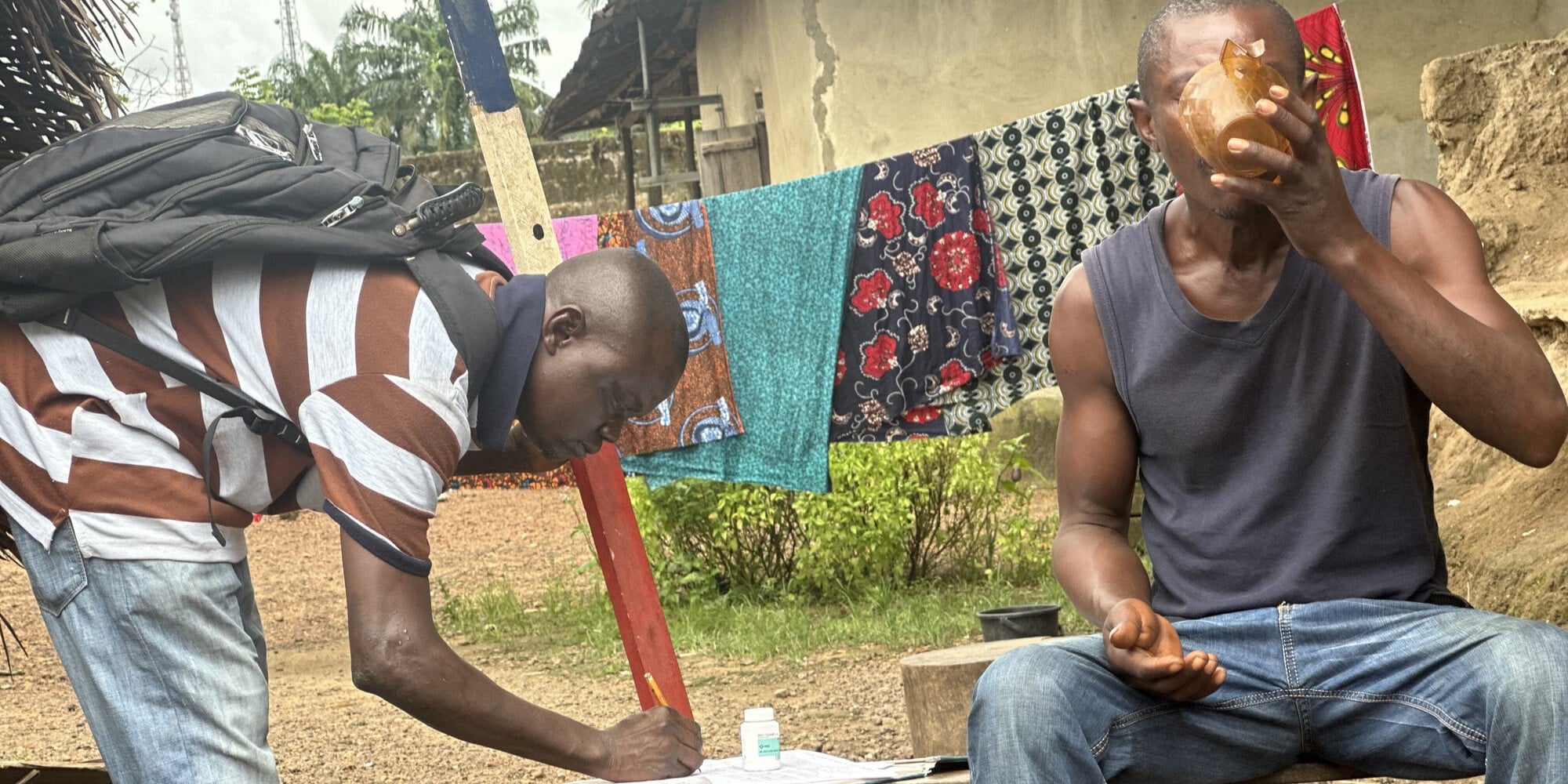
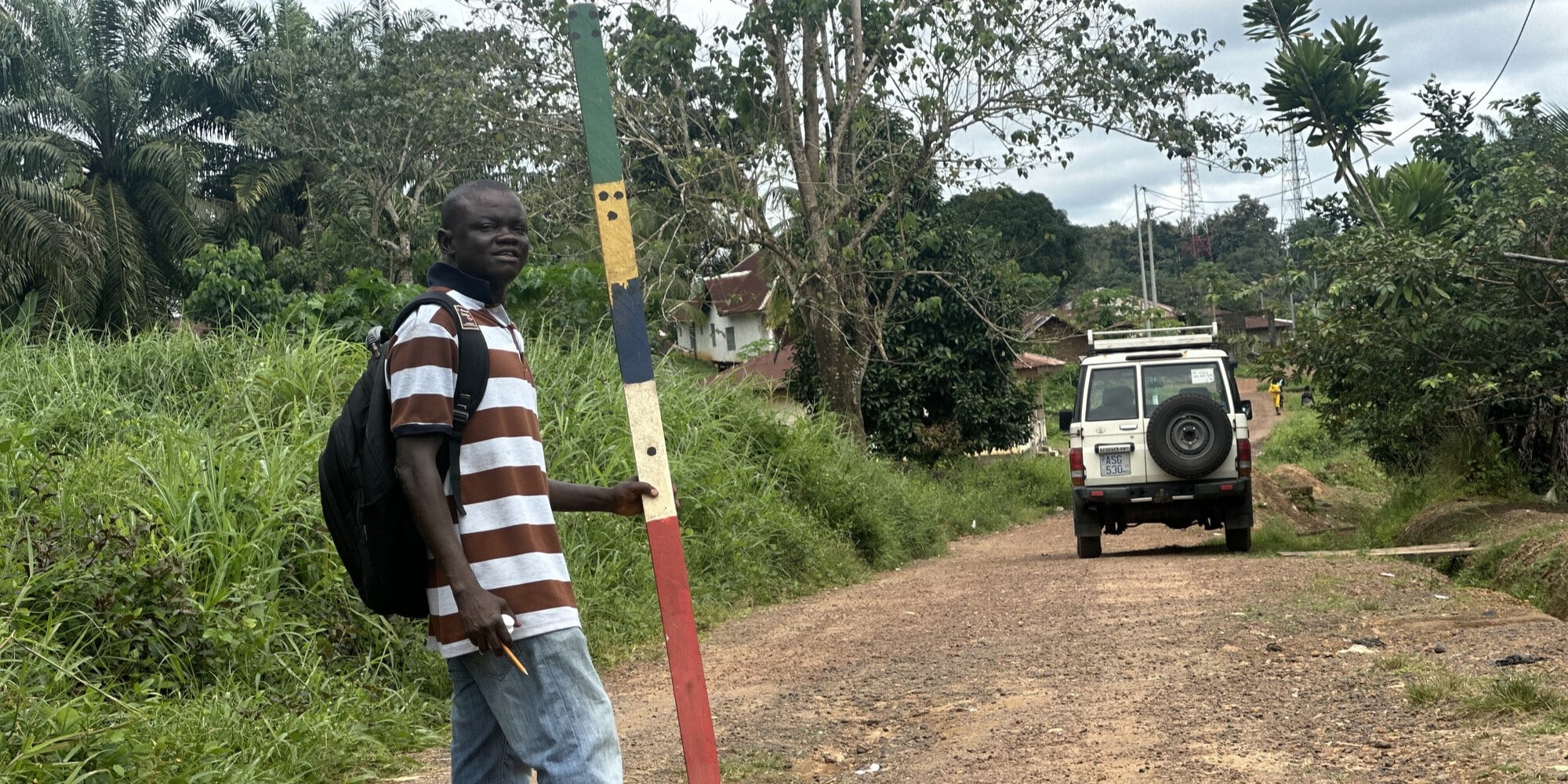
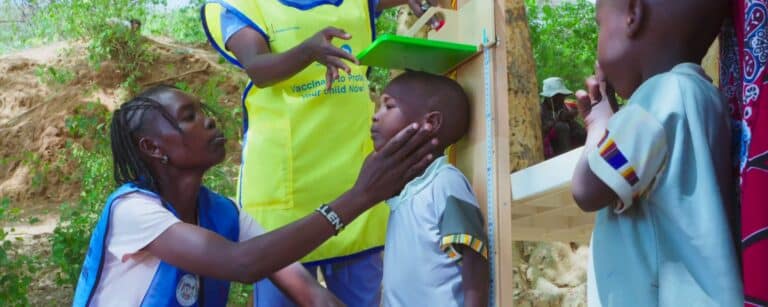
Once a participant agrees to receive the medication, Bockarie uses a dose pole to measure the person’s height. The measurement helps him determine the appropriate number of tablets to give the individual according to the program’s dosing guidelines.
The simple pole becomes an important tool in the hands of the distributor. With it, Bockarie can move from household to household while ensuring that participants receive the correct dose of medication to treat and prevent disease.

After the dose has been determined, Bockarie hands the medication to the participant. Water is provided, and the participant takes the medicine immediately.
These moments may appear simple: a hand passing tablets, a cup of water, a participant swallowing the medicine. But each person represents a much larger public-health effort – taking preventive treatment directly to people who might otherwise have difficulty accessing it. The campaign also reaches children aged five years and above, helping extend the benefits of the intervention to eligible younger members of the community.

Bockarie’s work in Potoru is part of a much larger effort to protect people across Sierra Leone from neglected tropical diseases. These illnesses remain a major public health challenge in Sierra Leone, which has four endemic neglected tropical diseases, including lymphatic filariasis, onchocerciasis, schistosomiasis, and intestinal worms. These diseases can cause long-term disability, pain, disfigurement, and, in the case of onchocerciasis, permanent vision loss.
Through mass drug administration, Sierra Leone has made significant progress: all 16 districts have now stopped treatment for lymphatic filariasis and moved to post-treatment surveillance, while Helen Keller has helped treat nearly 1.3 million people for at least one neglected tropical disease.

But reaching these milestones requires more than medicine. It requires people. This is where Bockarie and 40,000 other community drug distributors become instrumental. Behind this progress, these community drug distributors bring preventive medicines directly to households.
For years, the Ministry of Health and Helen Keller have not only trained, equipped, and supported volunteers like Bockarie to deliver medicines safely and reach remote communities but also helped them to understand the medicines, reach eligible people, provide treatment safely, and collect information that helps programs monitor their progress.

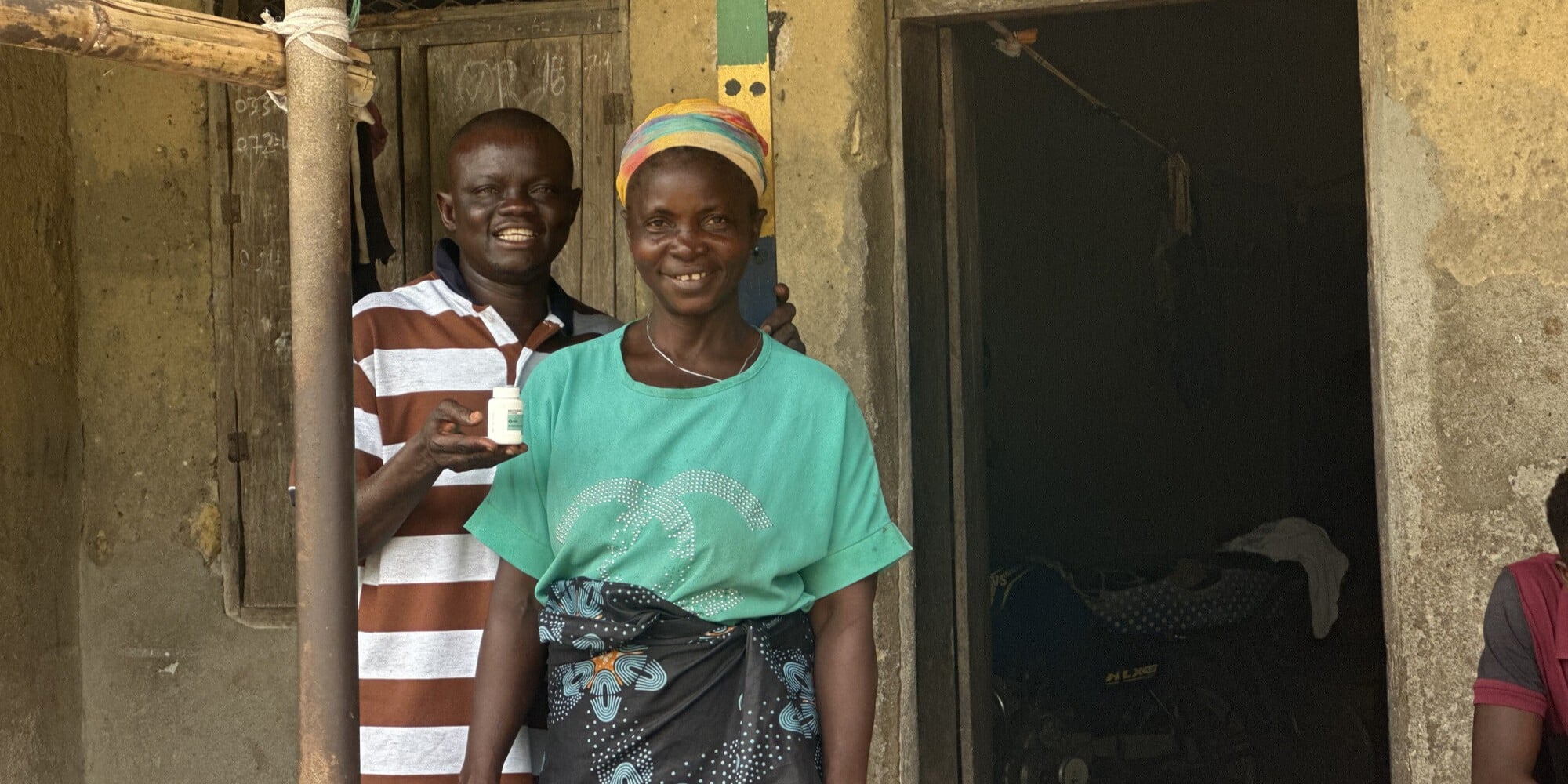
Bockarie does not work alone. Community acceptance and participation are strengthened by influential people within the village, including women who encourage others to come forward and participate.
“Mammie Haja ” who plays an important role in encouraging other women in the community to collect the necessary forms and participate in the program.
Her involvement demonstrates that community health programs depend not only on medicines and health workers, but also on local leadership and community trust.

Bockarie is a father of three, but on distribution days, his responsibilities extend beyond his own family.
He becomes a link between the health program and the households of Potoru. He greets residents, listens to their concerns, seeks consent, measures participants, determines the appropriate dose, and provides the medication. Then he moves on to the next household.
House by house, the work continues.

The target may be 250 households to be completed in one week, but behind that number are individual people – parents, children, and families who are being reached through a community-based approach to disease prevention.
The campaign’s broader goal is to help reduce the prevalence and transmission of onchocerciasis.
For Bockarie, however, the work is experienced one household at a time.

Bockarie’s story is ultimately a story about more than medication. It is a story about the people who make public-health interventions possible at the community level. It is about walking long distances, entering homes, speaking with families, and building enough trust for people to accept preventive treatment.
Bockarie’s day illustrates the often-unseen work behind disease-control campaigns. While health programs are measured in households reached, doses distributed and diseases prevented, the human side of that work can be found in people like Bockarie, community members who take responsibility for helping protect their neighbors.

In Potoru, Bockarie’s work doesn’t stop. Together with about 40,000 community drug distributors, he carries a responsibility that goes far beyond a job – bringing lifesaving medicines directly to families who need them most.
But this vital work faces serious constraints. Without sustained support, reaching communities most at risk of these diseases becomes harder.