
Bouillon Fortification and Research
Micronutrient deficiencies affect over half of the global population, leading to significant health issues, particularly among women of reproductive age and children. The most prevalent micronutrient deficiencies include iron, vitamin A, iodine, zinc and B Vitamins such as folic acid. These deficiencies can lead to severe health consequences, including anaemia, cognitive impairments, birth defects, and increased susceptibility to infections.
To help address these deficiencies, countries have adopted the fortification of staple foods commonly consumed by the population. Common among these have been edible oil, wheat flour, maize flour, salt, and in some cases, sugar. However, one cooking condiment that is widely used in several countries, with a regular consumption pattern reaching more than 90% of the population in countries of West Africa, is bouillon cubes. Bouillon cubes are consumed consistently across socioeconomic groups, including low-income households that are often at greatest risk of micronutrient deficiencies. Their widespread and regular consumption makes them effective for delivering essential micronutrients to large segments of the population. The promotion of fortification of bouillon cubes is perceived as an intervention that will inevitably promote an increase in sodium salt intake. However, available evidence indicates that fortification does not increase consumption of a particular food; rather, it improves the nutritional quality of foods already being consumed. In fact, bouillon fortification and sodium reduction initiatives ought to be seen as complementary public health strategies for achieving broader national health and nutrition objectives.
Global efforts to promote the reduction of sodium intake, sugar intake, and unhealthy fat consumption are designed to address the growing burden of non-communicable diseases (NCDs), which remain the leading cause of mortality worldwide. Fortifying bouillon cubes with essential vitamins and minerals can therefore help close the chronic micronutrient intake gap by giving individuals the necessary nutrients through a popular kitchen condiment. Families can use fortified bouillon cubes during cooking and still remain below WHO dietary guidelines for sodium intake. More importantly, the use of fortified bouillon cubes does not require any major changes to existing cooking practices among the people.
The Bouillon Fortification Project at Helen Keller Intl is a collaborative public health initiative committed to addressing micronutrient deficiencies through the promotion of fortified bouillon cubes. By engaging with producers, policymakers, and communities, the project seeks to make fortified bouillon cubes widely available, accessible, and affordable for everyday use. Our approach emphasizes sustainable solutions that align with national nutrition goals, ensuring that vulnerable populations are reached with essential nutrients through commonly consumed foods. Through research, advocacy, and strategic partnerships, we aim to improve nutritional outcomes and contribute to healthier, more resilient communities.
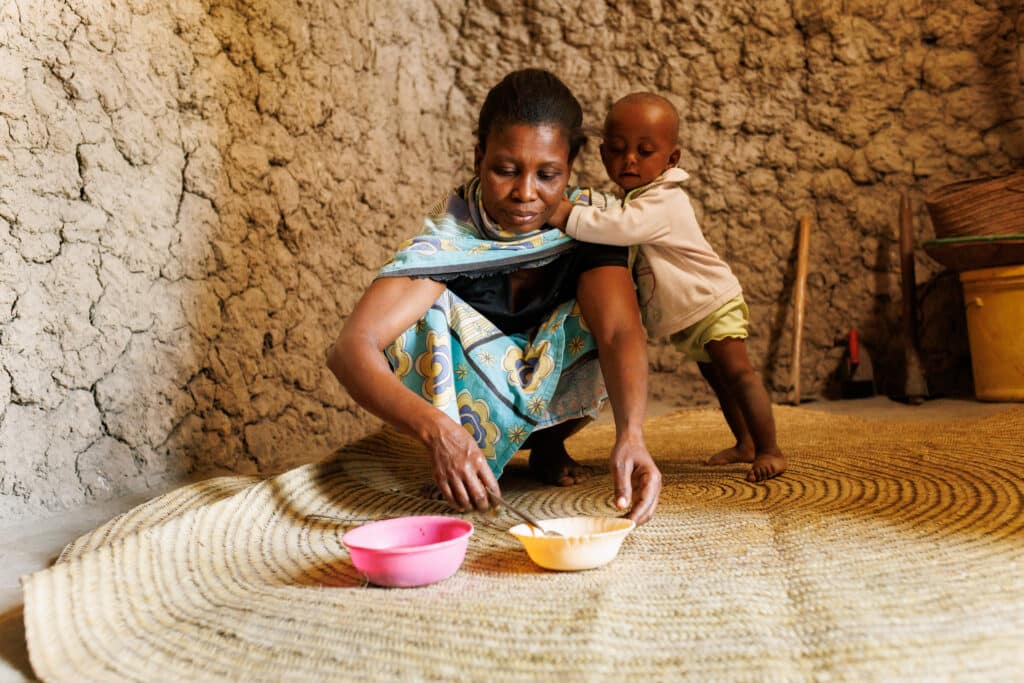

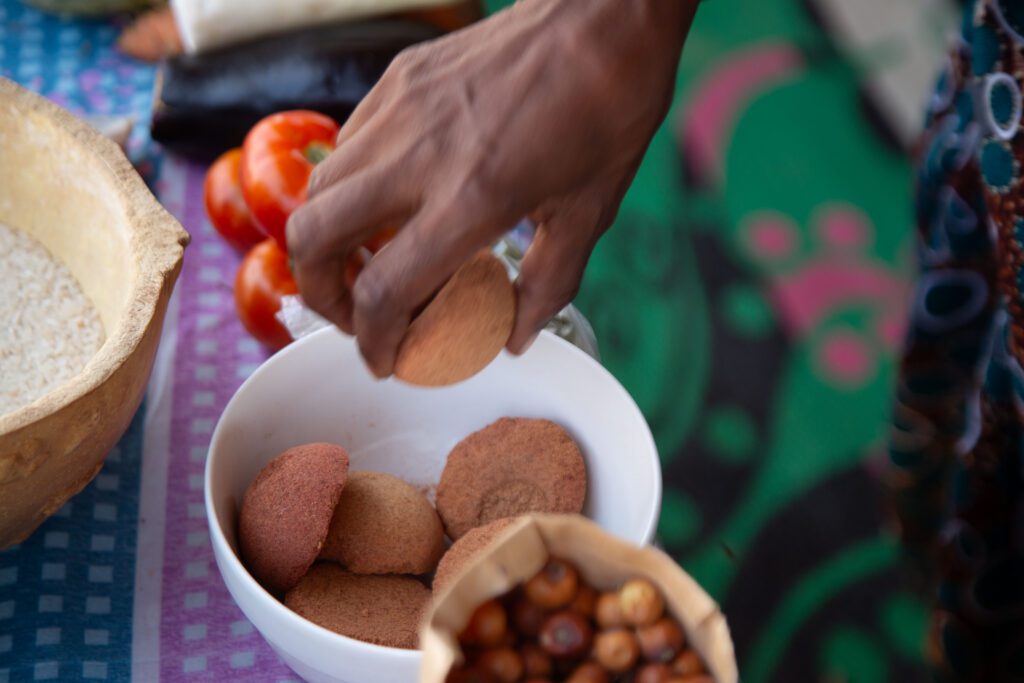
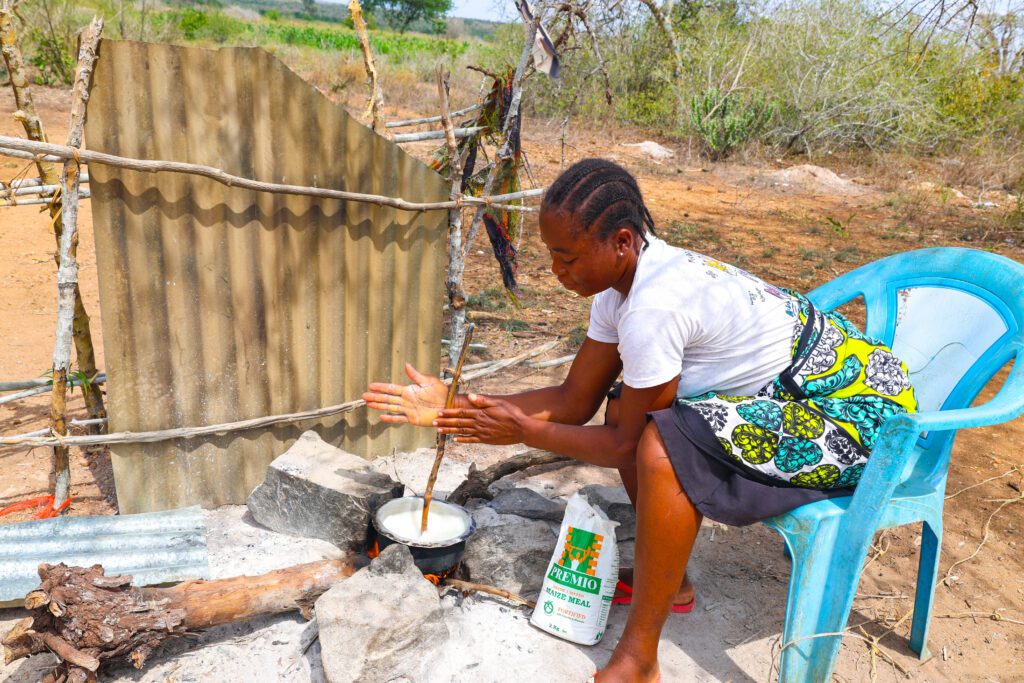
Bouillon Fortification Research and Evidence
Explore studies, research briefs, and assessments that examine consumer behavior, industry practices, and policy environments shaping bouillon fortification in countries such as Nigeria, Senegal, and Burkina Faso.
Study Evidence of Increased Nutrient Intake
- Bouillon Fortification in Burkina Faso: Modeled Evidence (English and French) | March 2024
- Bouillon Fortification in Senegal: Modeled Evidence (English and French) | February 2024
- Bouillon Fortification in Ghana: Modeled Evidence | September 2025
- Sodium and Salt Intake Survey in Burkina Faso (English and French) | April 2025
- Bouillon Fortification in Nigeria: Modeled Evidence | March 2025
Regional Initiatives and Strategic Documents
Country Studies and Assessments
- Étude Formative Bouillons Fortification Burkina Faso | July 2023
- Évaluation des Capacités Institutionnelles – Aliments Fortifiés Burkina Faso | July 2023
- Étude Évaluative de la Taxe sur le Bouillon au Sénégal | July 2023
- Étude Formative sur les Bouillons au Sénégal | July 2023
- Formative Study on Bouillon Fortification in Nigeria | July 2023
- Needs Assessment of Bouillon Manufacturers and Regulatory Agencies in Nigeria | July 2023
Food Fortification Overview