NPR spotlights Helen Keller’s work to combat childhood malnutrition in Senegal
A story from NPR highlights Helen Keller Intl’s innovative, community-based approach to treating childhood malnutrition in Senegal.
Journalist Jonathan Lambert traveled to Keur Mbar in Western Senegal to report on the program, interviewing Helen Keller staff, government partners, community health workers, and participating families.
With support from The Eleanor Crook Foundation and in collaboration with Senegal’s Ministry of Health, Helen Keller has piloted a community-based model for treating severe acute malnutrition in children. The program decentralizes care by bringing malnutrition screening, treatment, and monitoring to local health clinics, making services more accessible for families in remote communities.
Previously, in Senegal and many other countries, parents would need to travel long distances to reach a hospital or doctor who could provide these life-saving services. But today, by allowing treatment and follow-up care to take place close to home, families can access care more quickly and consistently, improving children’s chances of recovery.
The program currently operates in Senegal’s five regions with the highest rates of malnutrition: Matam, Saint-Louis, Louga, Diourbel, and Tambacounda, with the goal of expanding this highly effective model nationwide.
However, disruptions to the supply of ready-to-use therapeutic food, an energy-dense micronutrient paste used to treat children with severe acute malnutrition, now threaten the sustainability and expansion of this successful program.
“It’s an approach that’s working,” says Dr. Ndèye Astou Badiane, Country Director for Helen Keller Senegal. “We need to treat these children, and they cannot wait. They need ready-to-use therapeutic food.”
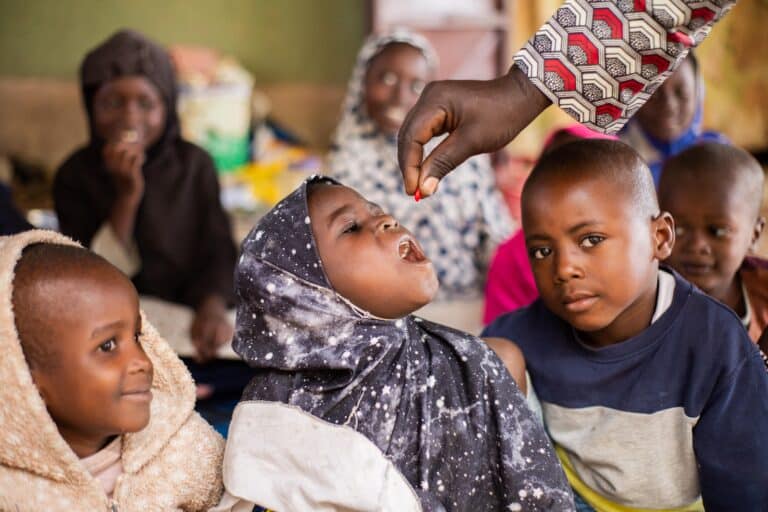
Hunger is one of the greatest threats to a child’s life. That’s why Helen Keller works with governments, communities, and local health workers to identify and treat malnutrition by bringing screening and care directly to families in Senegal and beyond.
Last year, we screened more than 1.4 million children for acute malnutrition across nine countries in Asia and Africa.
With your support, we can continue life-saving programs that protect the health and nutrition of millions of children and families.
Read the full article here: Malnourished kids can’t get the therapeutic food they need
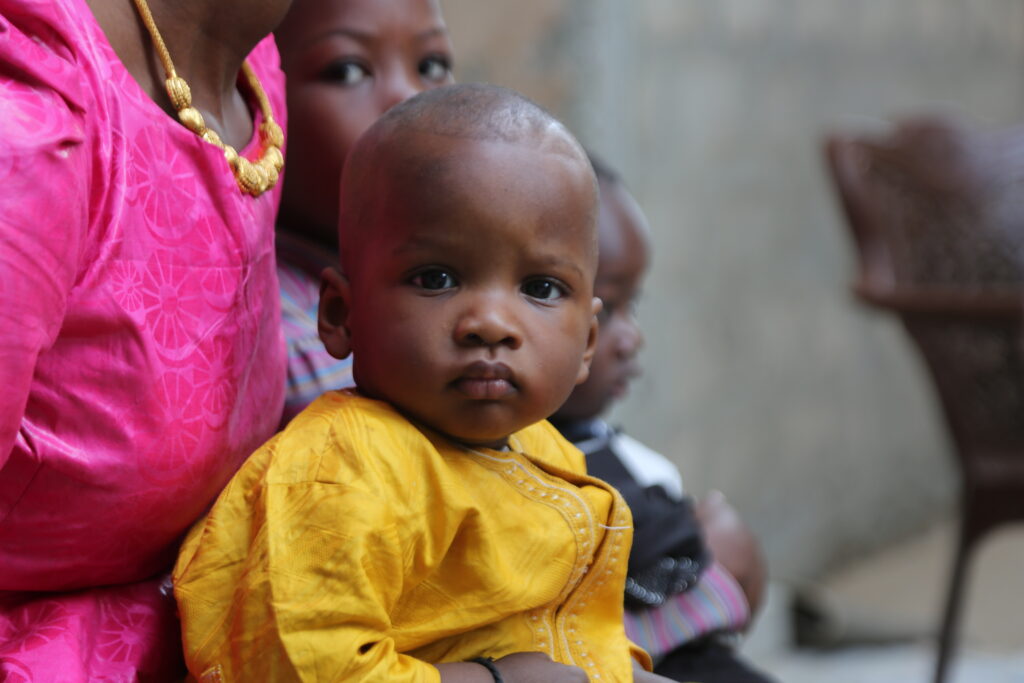
Your support helps bring life-saving nutrition services to children and families in Senegal and around the world.