Filling the Gap in Nigeria's Child Nutrition Crisis
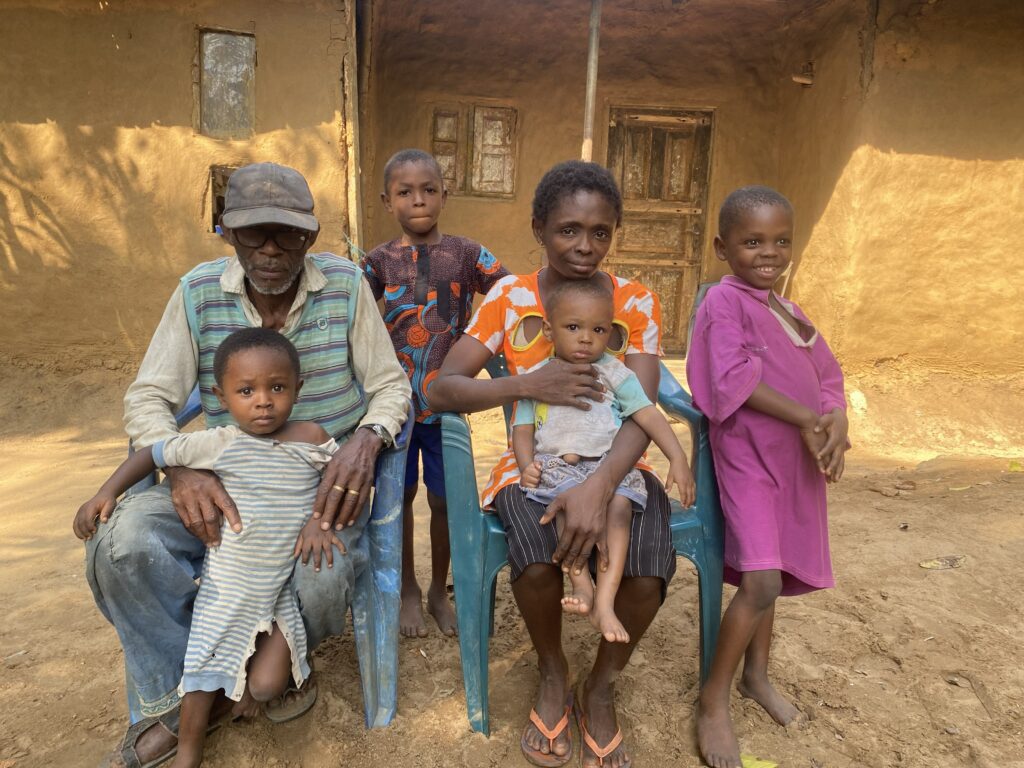
Inemesit and her husband, Inyang, work tirelessly as cassava farmers to keep their family of six healthy and happy, sending their children to the nearby public school in their community of Ibedu, near Nigeria’s southeastern coast. But they struggle to make ends meet, bringing home between $7 and $11 monthly. Many days, they can’t afford to put a full, nutritious meal on the table. Inyang also struggles with a loss of eyesight, compounding their difficulties.
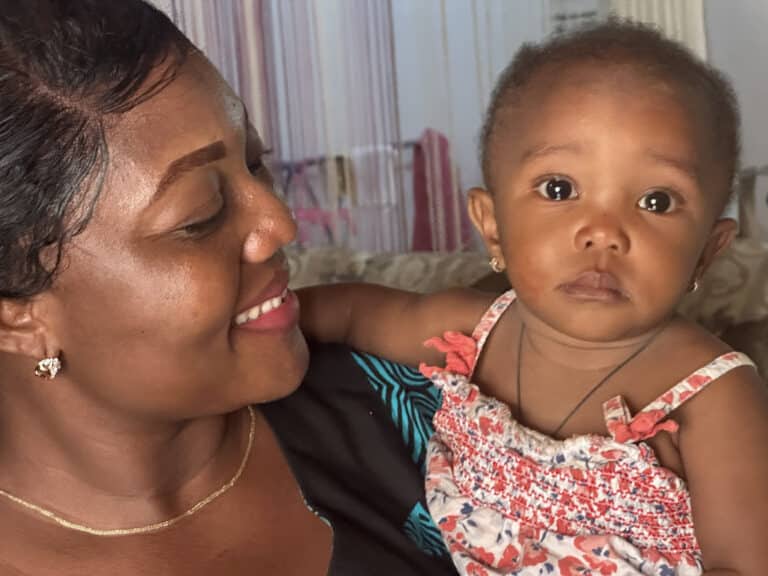
Tragically, two years earlier, Inemesit and her husband lost their 14-month-old son due to suspected malnutrition at a time when treatment was not available in Akwa Ibom State, where they reside. Now, Inemesit watched as her youngest daughter, 15-month-old Ekaette, also suffered from the same lack of access to nutritious meals and quality health care.
“I didn’t know what to do,” shares Inemesit. “I thought I would lose her the same way I lost her brother two years ago.”
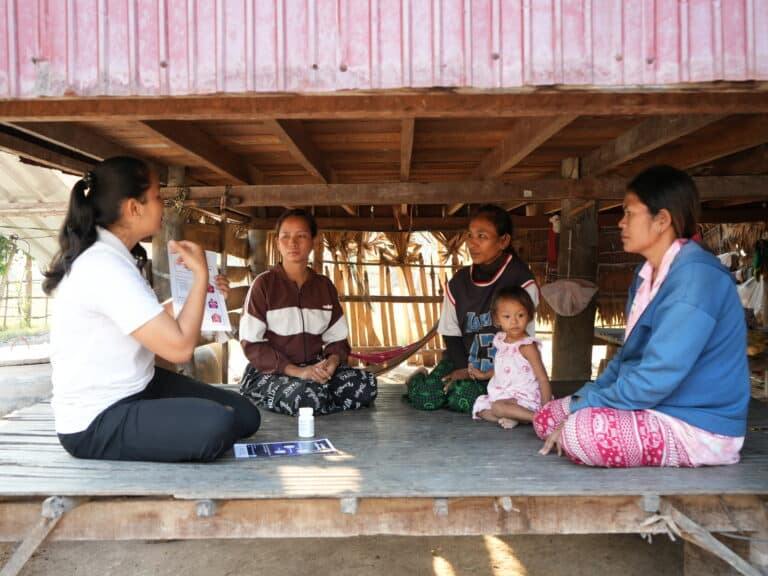
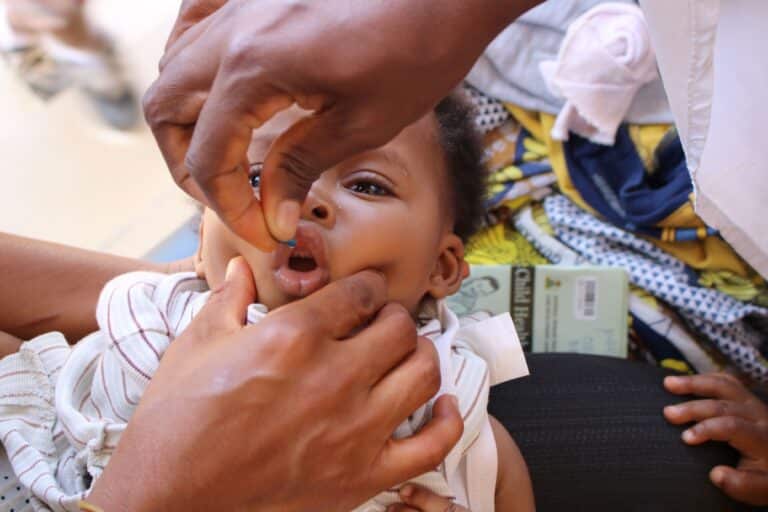
But Inemesit saw a glimmer of hope when Mary, the head of Ibedu Health Center, told her about new, no-cost services to identify and treat malnourished children available during weekly immunization days at the clinic. Inemesit quickly brought Ekaette in for routine vaccinations, and at the same visit, she was diagnosed with severe acute malnutrition, which is life-threatening. Ekaette soon became the very first child in Akwa Ibom to participate in the malnutrition treatment program.
Closing the Funding Gap for Nigeria’s Most Vulnerable Children
At the time of her diagnosis, Ekaette weighed only 12 pounds. She is one of approximately two million children in Nigeria who suffer from malnutrition due to inadequate diet, poor health care, and lack of nutritional knowledge. Only about 20% of these children receive the treatment they need, leaving the remaining 1.6 million vulnerable to long-term consequences for their health and development.
For over 25 years, Helen Keller Intl has been working in Nigeria to help more children grow up with the nutritious food they need to live healthy, thriving lives. But when the US government withdrew funding for foreign assistance in early 2025, programs providing nutrition services to 5.6 million Nigerian children abruptly ended, putting their health and lives at grave risk.
Last fall, a generous community of entrepreneurs at Founder’s Pledge chose to fund one year of malnutrition screening and treatment in four Nigerian states, including Akwa Ibom, in collaboration with the Federal Ministry of Health. Founder’s Pledge selected this project with the pivotal support of Project Resource Optimization (PRO), a donor-mobilization initiative that identifies cost-effective, lifesaving programs in urgent need of funding in the wake of US government cuts. This support allows us to temporarily fill the most critical gaps and provide vital health and nutrition services for children like Ekaette.
Renewed Hope for a Healthier Future
During the 12-week treatment program, Ekaette began to recover thanks to regular follow-ups, therapeutic food, and ongoing nutrition counseling with her mother.
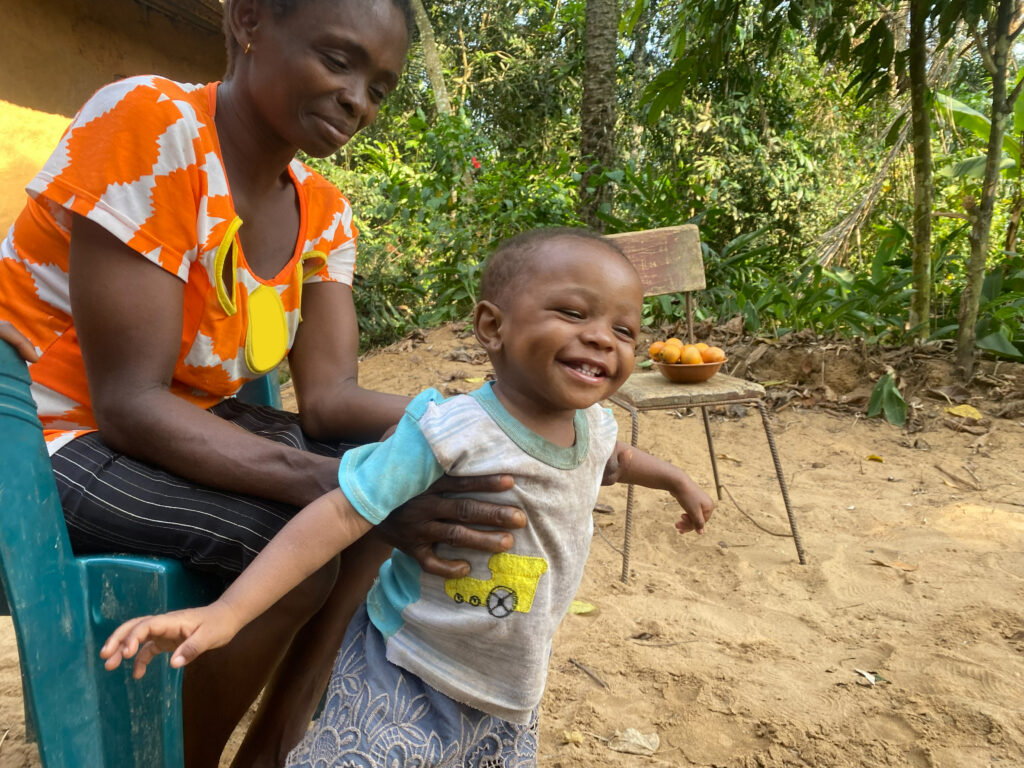
The effects were profound. After 12 weeks, Ekaette’s weight had doubled to over 24 pounds. She was also eating and playing more. Over the course of just three months, Ekaette had transformed into a happy and thriving child.
Inemesit expresses gratitude for the care her daughter received, noting, “Without their routine screening and support, Ekaette’s condition could have gone unnoticed just like my other child. This help truly changed everything for us.”
The extraordinary generosity of the Helen Keller community has brought back malnutrition services for tens of thousands of children who previously lacked access. But there is still more ground to cover in the aftermath of US government funding cuts, which will require sustained commitment from all of us to help more children access the nutrition and health services they need to live healthy lives filled with potential.
Help us support healthier futures for children like Ekaette. Donate now!