Helping Mothers Breastfeed Improves Health and Saves Lives
Breastfeeding saves lives.
UNICEF estimates that improving breastfeeding rates worldwide could save the lives of more than 820,000 children under the age of five each year.
The World Health Organization recommends breastfeeding – initiated within the first hour after birth, provided exclusively for six months, and continued for up to two years or beyond – as one of the key measures for promoting child well-being. It improves child survival, protects against life-threatening and chronic illnesses for both mothers and babies, and promotes healthy growth and early child development.
Helen Keller Intl is helping mothers adopt this simple and cost-effective lifesaving approach across the countries where we work in Africa and Asia. We support women in breastfeeding by providing education, counseling, and ongoing support from trained midwives and healthcare workers, as well as peer-to-peer mothers’ groups.
These vital peer support systems and health workers training are a core element of Transforming Lives Through Nutrition, a multi-country life-saving nutrition initiative implemented by Helen Keller, along with Vitamin Angels and iDE, and funded by The Church of Jesus Christ of Latter-day Saints. Implemented in 12 countries across Asia and Africa, including Cambodia and Nigeria, the Transforming Lives consortium aims to improve the health of mothers and children by supporting better nutrition in pregnancy, childhood, and beyond.
Overcoming Breastfeeding Barriers through Peer Support
Ongoing education and support are vital to encouraging exclusive breastfeeding and dispelling misconceptions about infant feeding. Mother-to-mother peer groups offer a supportive environment for women to learn about breastfeeding and infant care and discuss the challenges of motherhood.
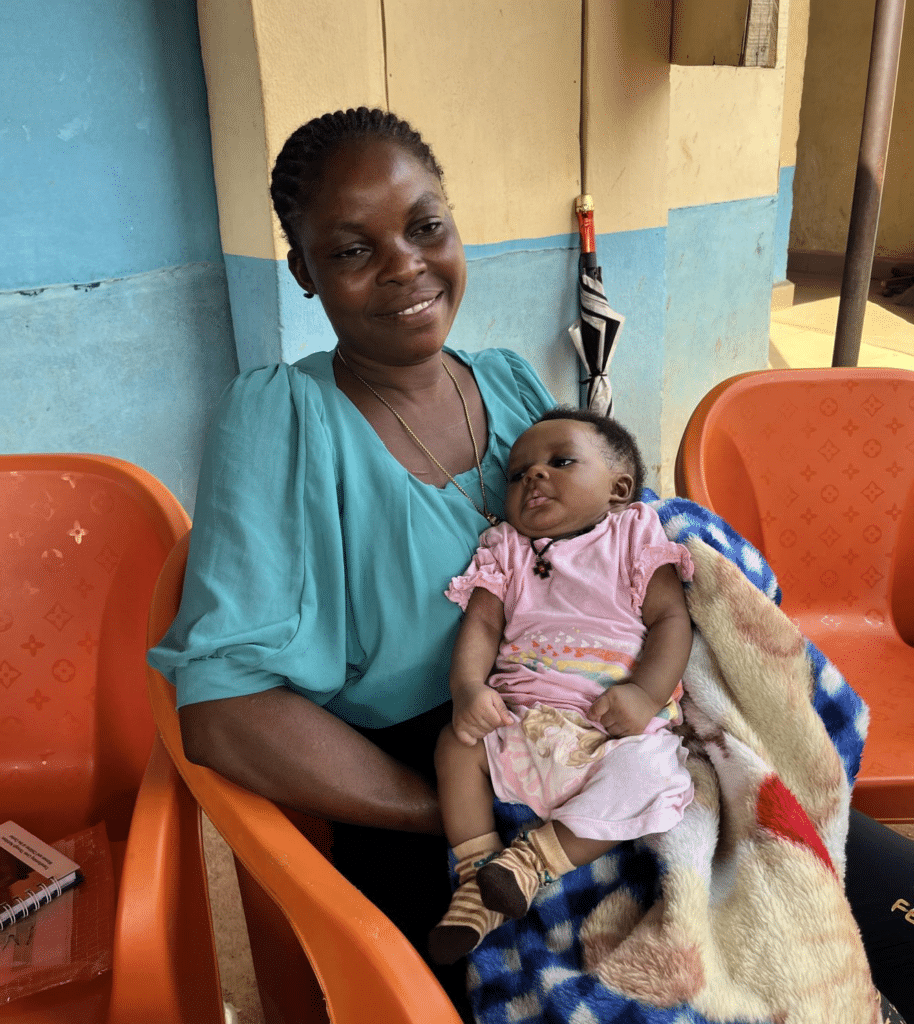
Modester, a mother of five in Ebonyi State, Nigeria, didn’t exclusively breastfeed her older children. She was ill after her first pregnancy, and family members caring for her child gave the baby water alongside breastmilk, which is common practice in the community.
“Looking back now, I believe it affected my baby’s health,” she says. “If I had known what I know today, I would have insisted on exclusive breastfeeding.”
During her most recent pregnancy, Modester joined one of 62 Helen Keller-supported mother-to-mother peer groups at her local health center. The group challenged everything she had believed, teaching her that babies should only consume breast milk for their first six months and should not have water or other liquids. Today, she gives only breast milk to her one-month-old baby, Godswill, which she says has helped keep her child healthy.
Similarly, 29-year-old Precious, also from Ebonyi State, knew the health benefits of exclusive breastfeeding. However, living in an extended family household, she struggled to make independent parenting decisions. “My mother-in-law kept saying the weather was too hot and the baby needed water,” Precious explains. Precious’s first child was given water, despite her reservations, and struggled with repeated episodes of diarrhea, fever, and pneumonia.
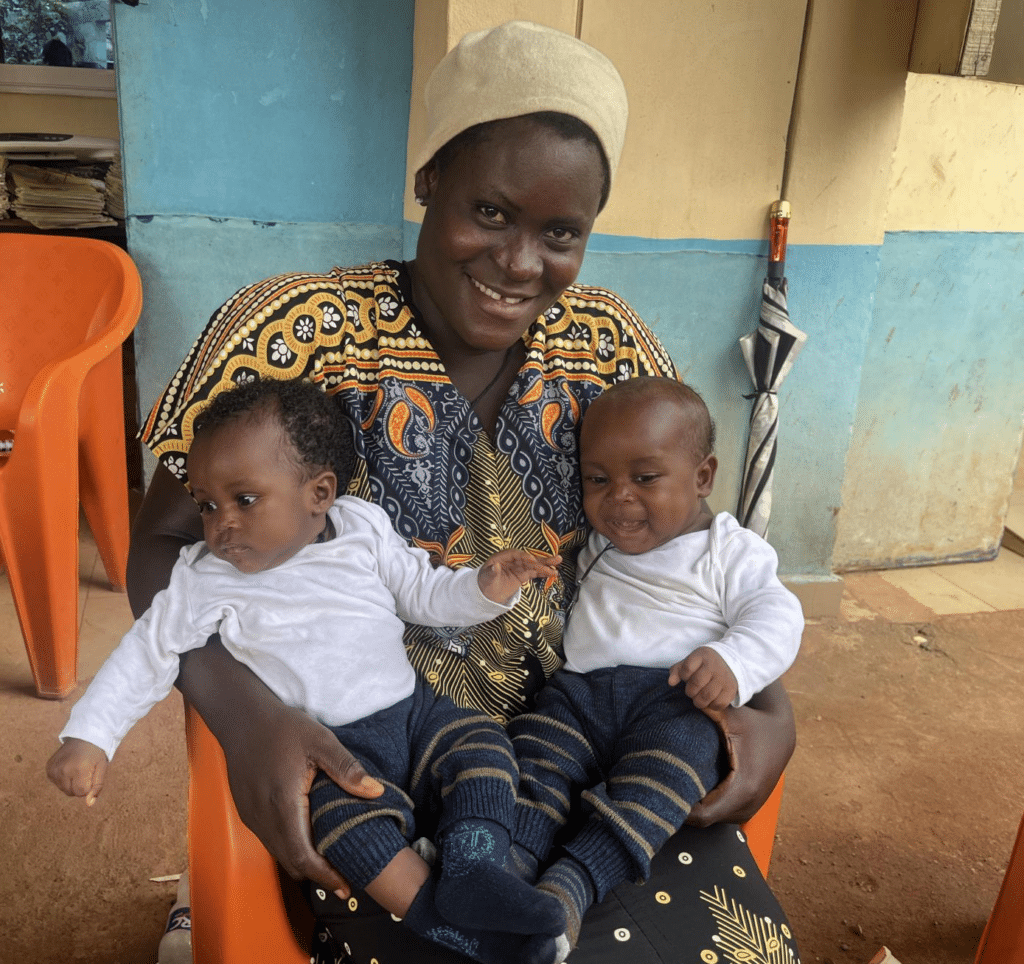
When Precious became pregnant again, this time with twins, she returned to the health center where she joined the peer group. With their support, she found the confidence to stand her ground. Today, her four-month-old twins, Chinecherem and Chidiebube, are exclusively breastfed and thriving, giving them a healthier start in life.
These support groups have reached nearly one thousand pregnant and breastfeeding women with life-saving nutrition education and counseling across Ebonyi State, and the impact doesn’t stop there. Today, Modester and Precious are working to pass on the knowledge they gained as advocates for exclusive breastfeeding. They are both well known among other mothers in their villages as role models who can answer questions about breastfeeding, help dispel myths and misconceptions, and share their own experiences.
Early Breastfeeding Education from Health Workers
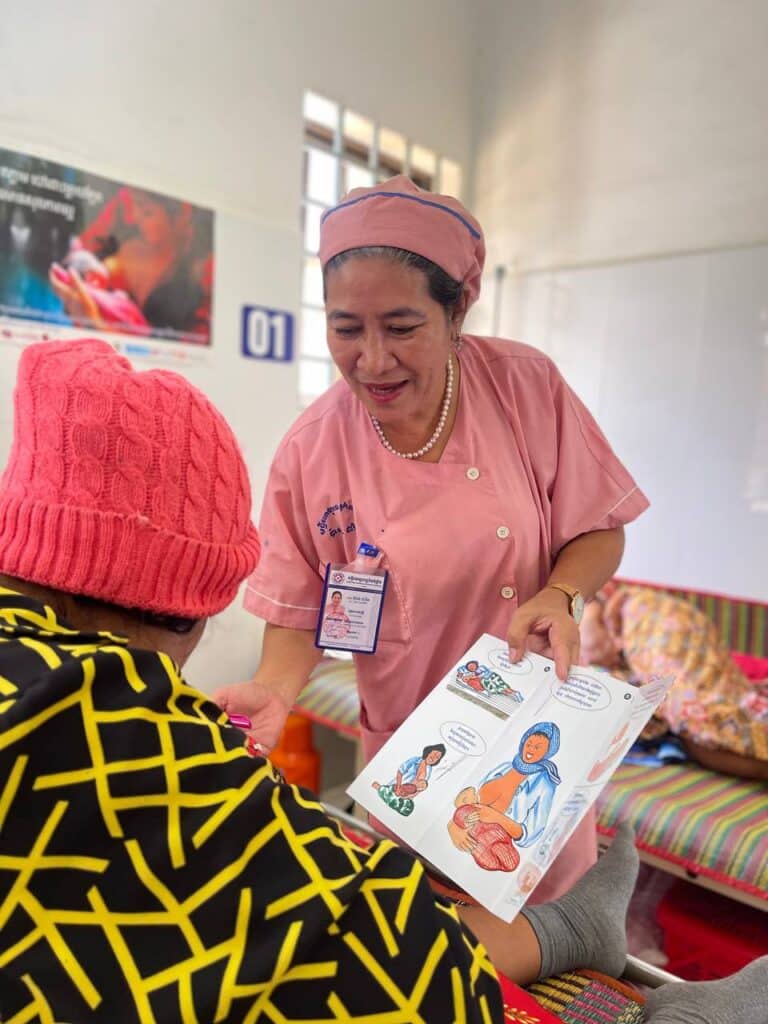
Early breastfeeding starts at birth, and Helen Keller is training birth attendants and midwives to provide breastfeeding counseling and support to new mothers from the start.
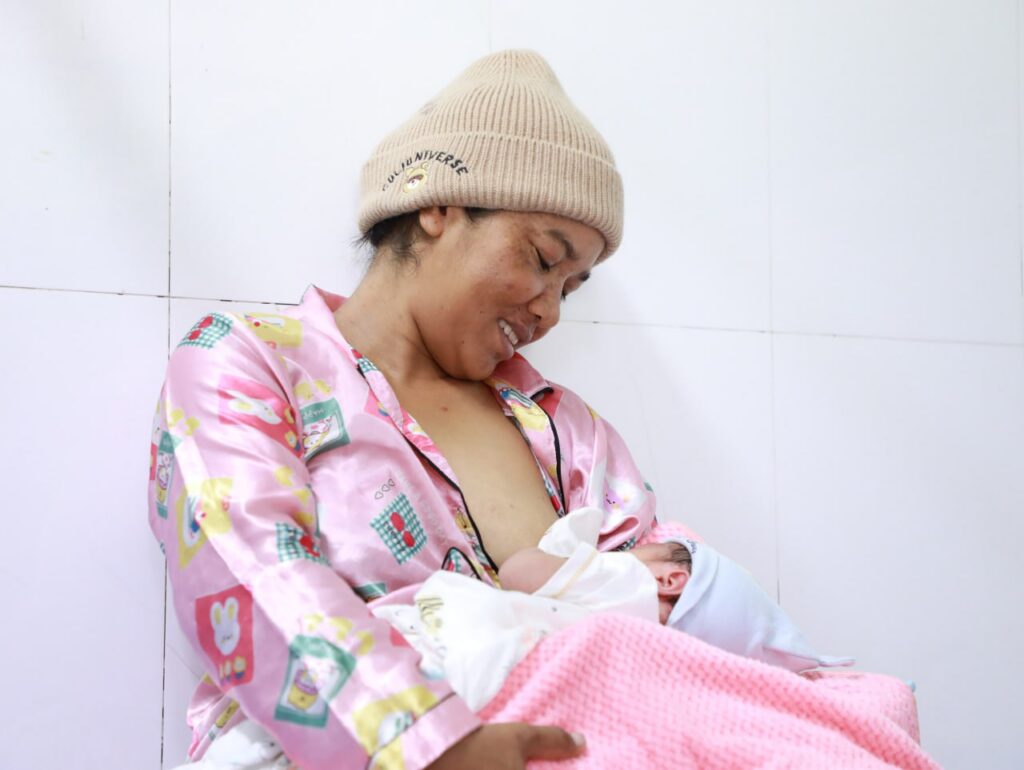
In Cambodia, 40-year-old Horng was concerned about breastfeeding as an older mother, even though she had breastfed her children in the past, and originally planned to give her baby formula instead. However, the support and counseling she received at Kampong Thom Provincial Hospital helped her change her mind.
As she prepared to give birth, a midwife provided her with valuable guidance on nursing and caring for her newborn. After a successful delivery, the midwife continued to support her by teaching proper breastfeeding techniques and frequency and helping her recognize the baby’s hunger cues. She also helped Horng understand how to nourish herself so she could care for her child.
“Her advice helped me better understand postpartum nutrition, which was something I had struggled with when my older children were born. Thanks to her support, I felt more confident in providing the best care for my baby.”
Creating Supportive Environments for Breastfeeding Mothers
Initiating and continuing breastfeeding requires family and social support. Therefore, beyond our work with Transforming Lives, Helen Keller is working with families, employers, and communities to create more supportive environments for breastfeeding mothers. This includes working with garment factories in Cambodia, where a large number of workers are women, to establish lactation rooms with equipment to pump and store breastmilk.
We also partner with governments and health policymakers to develop and implement policies that support breastfeeding and adopt international standards to help ensure the safety of breastmilk substitutes.
Sakhar, another mother in Cambodia who received breastfeeding education in the hospital after giving birth, shares that breastfeeding was challenging, but the support of her family made all the difference.
“My husband and family also supported me, encouraging me to continue breastfeeding for more than two years,” she says. “I am very grateful for the encouragement and guidance I received regarding breastfeeding; it was essential.”
Help ensure moms and babies to get the support they need to thrive.