A Simple Cure Brings Lasting Change: How Mali Is Eliminating Intestinal Worms
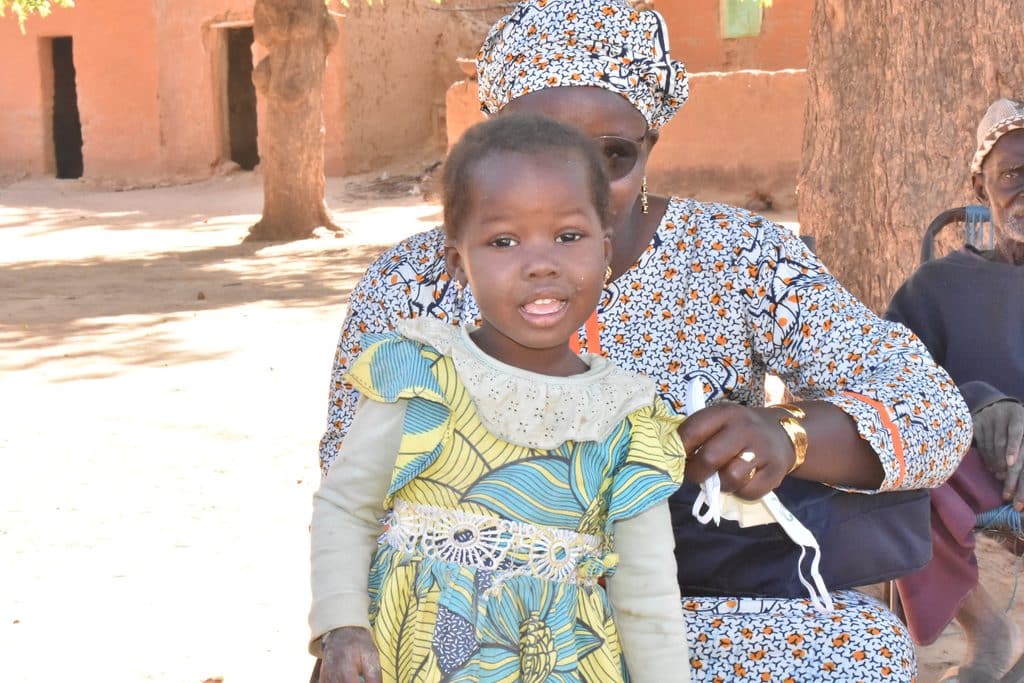
After living in Côte d’Ivoire for several years, five-year-old Maimouna and her grandmother returned to their home village of Banatomo in central Mali for a visit.
Soon after they arrived, Maimouna’s behavior changed – the normally energetic little girl became lethargic and wasn’t playing with the other children.
Maimouna was suffering from intestinal worms, transmitted through soil in areas that lack access to clean water and sanitation, like Maimouna’s hometown.
A Simple Solution to a Common Issue
Also known as soil-transmitted helminths, this neglected tropical disease affects an estimated 1.5 billion people worldwide, including more than 260 million pre-school-aged children, according to the World Health Organization. Intestinal worms are extremely dangerous to children, stealing essential nutrients needed for their physical and cognitive growth.
Treating worms is fairly simple – just a single dose of the medication albendazole can remove them. Albendazole also protects against other neglected tropical diseases that are common in Mali, such as lymphatic filariasis.
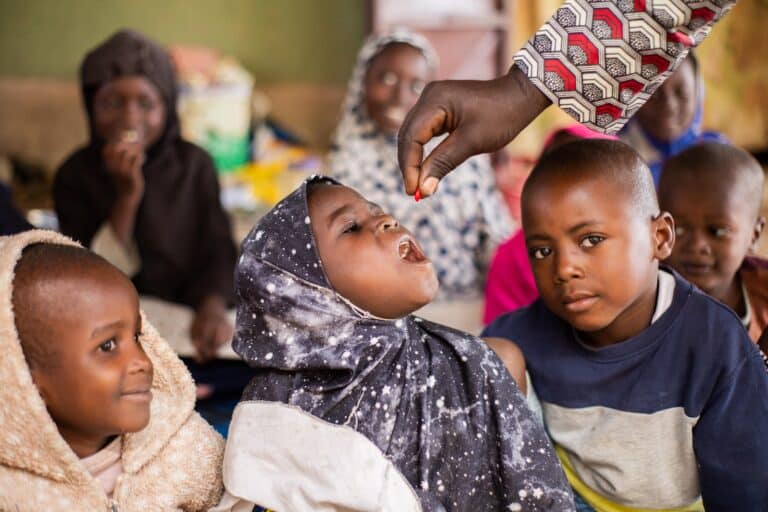
Luckily, treatment came just in time for Maimouna. During her trip home, Helen Keller Intl was in Banatomo conducting a vitamin A supplementation and mass drug administration campaign in partnership with the Malian Ministry of Health and Social Development. Like all children her age who participated in the campaign, Maimouna received a dose of albendazole.
The effects were immediate – Maimouna began vomiting worms a few hours later. The speed and potency of the medication initially concerned Maimouna’s family, but a health worker reassured the family that this was normal. With the loving care of her family, Maimouna continued to recover from the worms.
One Medication Does Double Duty
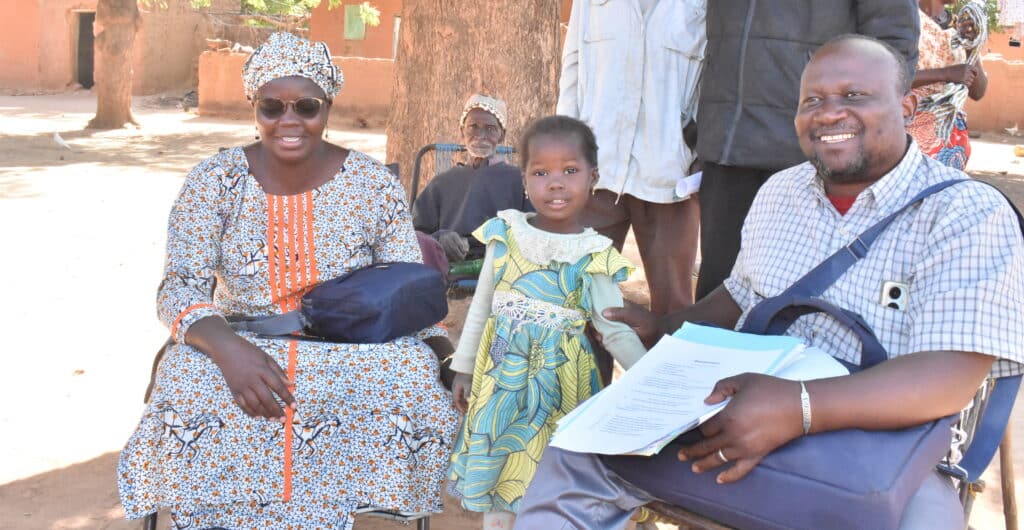
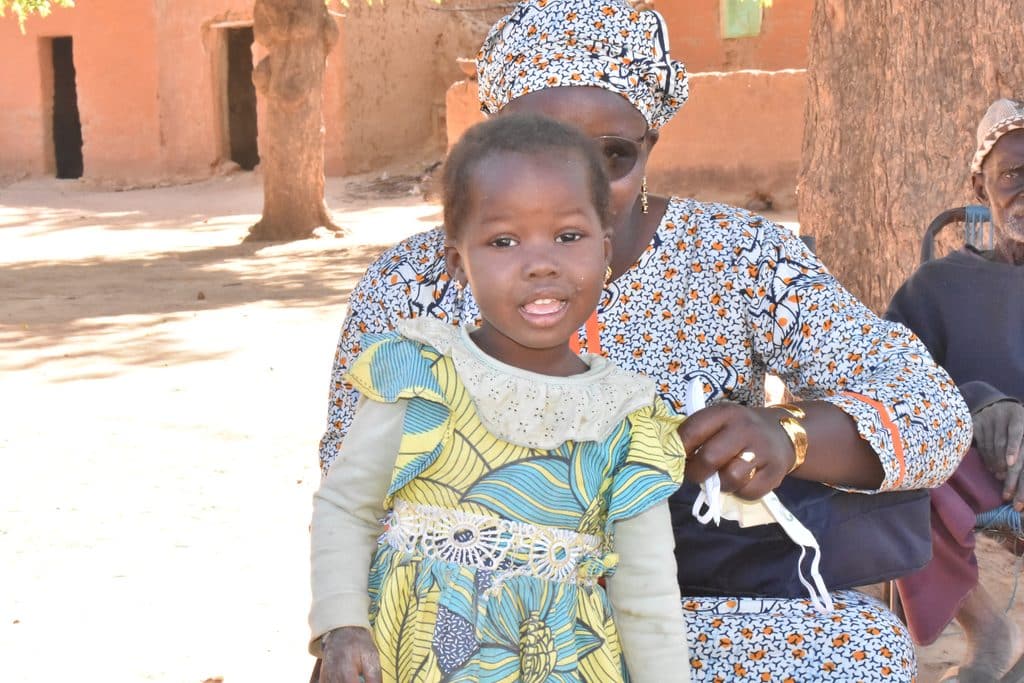
Maimouna’s recovery has motivated her grandmother to raise awareness among other caretakers in Banatomo about the importance of deworming and vitamin A for children.
“I have always welcomed the drug distributors here in this family, but I will sensitize all the women of Banatomo from now on to accept the care of children during the campaigns to save [their lives],” says Maimouna’s grandmother with determination.
Maimouna’s story is part of a much larger success in Mali; one built on a single medication doing double duty. For years, Helen Keller has supported mass campaigns distributing albendazole to prevent lymphatic filariasis, which also clears the intestinal worms that made Maimouna sick.
By distributing albendazole during vitamin A supplementation campaigns, Mali is close to eliminating soil-transmitted helminths as a public health problem for good, while also fighting lymphatic filariasis. It is one of the first countries in Africa to achieve this milestone and has overcome major security challenges to keep Malian children free of worms.
Maimouna’s recovery shows what is possible when proven, low-cost treatment reaches the children who need it. With continued support, Helen Keller and its partners can bring that same protection to communities still living with the threat of intestinal worms, ensuring that no child’s growth and future are stolen by a disease we already know how to defeat.
Donate today to deliver healthier futures to more children like Maimouna.