A Future Free from Worms
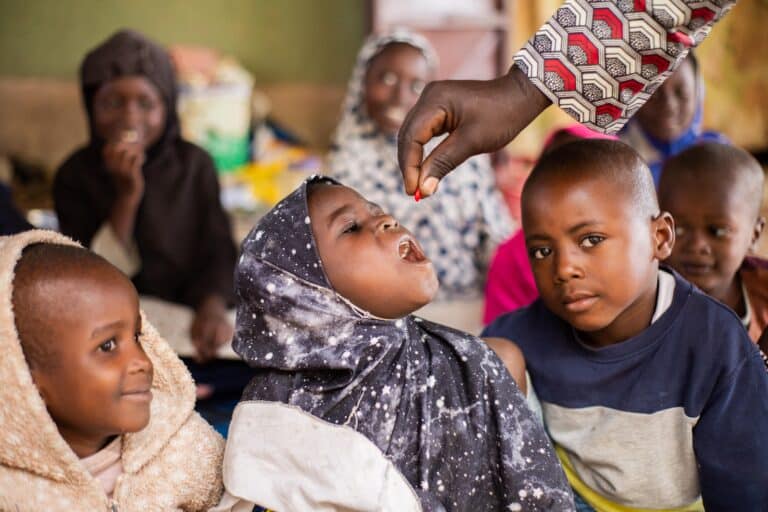
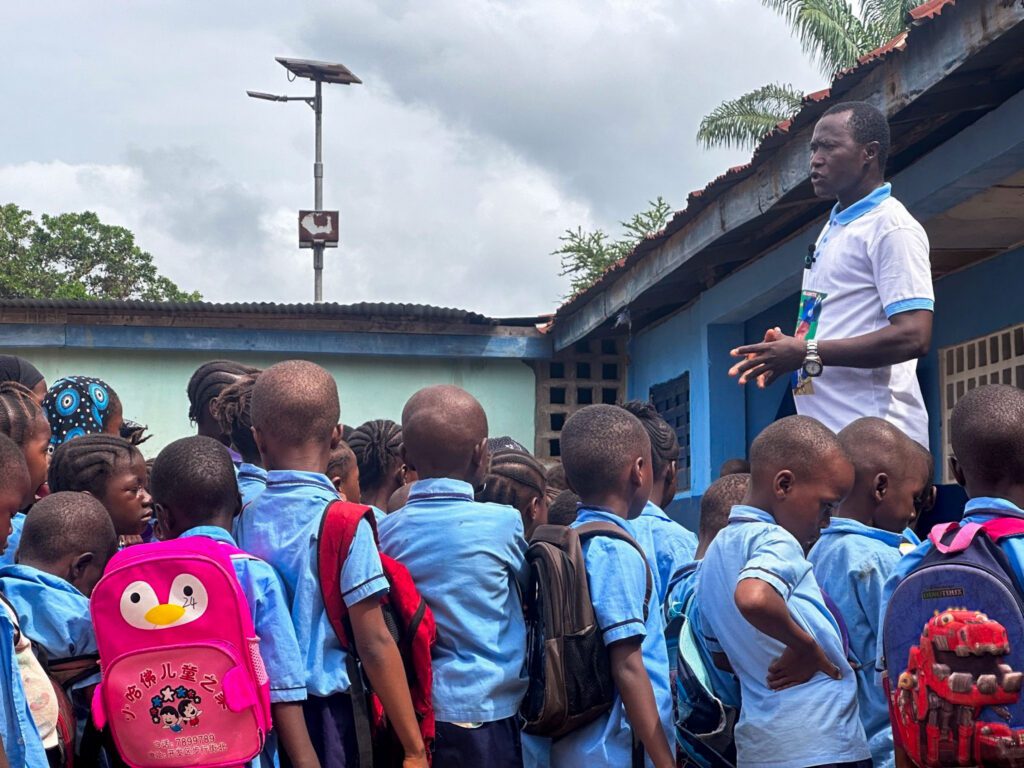
On a chilly Monday afternoon at Ansarul Islamic Primary School in Kenema, Sierra Leone, eight-year-old Isata and her classmates lined up to receive a dose of praziquantel. This lifesaving medication helps eliminate the worms that cause schistosomiasis, a parasitic disease transmitted to humans through contact with contaminated water. There was some push and pull among the pupils to secure a seat at the front as their headmaster, Mohamed S., rang the bell to get his students’ attention.
He introduced the visitors from the Ministry of Health and Sanitation who would provide the medication and explained why they were distributing it. “Worms aren’t good for your health,” Mohamed says. “If you have them, you will be sick and unable to come to school.”
Regular distribution of preventive medication has helped Sierra Leone make significant progress against schistosomiasis. However, with fewer resources reaching communities like Kenema this year, that progress, and the health of Isata and her classmates, are at risk. Today, the goal of a future free from worms for children in Sierra Leone is now more uncertain than ever.
A Disease with Long-Lasting Consequences
People living in Kenema are at a high risk of contracting schistosomiasis, as the district has the second-highest prevalence rate in Sierra Leone. The disease is particularly dangerous for children, causing anemia, stunted growth, impaired learning ability, and chronic inflammation of the organs, which can be fatal in severe cases. If contracted at an early age, these symptoms can have long-lasting impacts on the child’s ability to lead a healthy life.
School-aged children have an especially high risk of infection because they are often in contact with contaminated water. Isata has experienced this firsthand. “I woke up with stomach pains, I couldn’t go to school that day,” she says. “I missed my favorite subject, math, and I missed my friends too.” Despite the challenges schistosomiasis poses to her health and education, Isata dreams of becoming a nurse when she grows up.
A week before the drug distribution, community mobilizers visited communities, schools, and homes, going door-to-door to educate people about the importance of schistosomiasis prevention. Then, Isata, along with 1.4 million other school-aged children in nine districts across Sierra Leone, received this vital medication as part of a mass drug administration program organized by the Ministry of Health and Sanitation, with support from Helen Keller Intl.
Building a New Future Amid Uncertainty
For more than a decade, Helen Keller has partnered with governments, health systems, and communities to help treat and prevent neglected tropical diseases in six African countries. Supporting the regular distribution of preventive medications like praziquantel is an essential part of this work. But when the US government abruptly terminated funding in early 2025, it looked like programs like this one would disappear entirely, putting the health and lives of more than 100 million people and decades of progress at risk. In the fall, Helen Keller was fortunate to receive one year of funding through Project Resource Optimization (PRO), a donor-mobilization initiative founded by former USAID staff members, allowing us to temporarily continue working with our partners to provide essential care for communities most at risk.
Nurse Aminata S., who distributed the medication at Isata’s school, explains that many families in the Kenema district lack access to the clean water and sanitation facilities they need to stay healthy. “This makes them particularly vulnerable to schistosomiasis, which thrives in areas with poor hygiene and sanitation,” says Aminata.
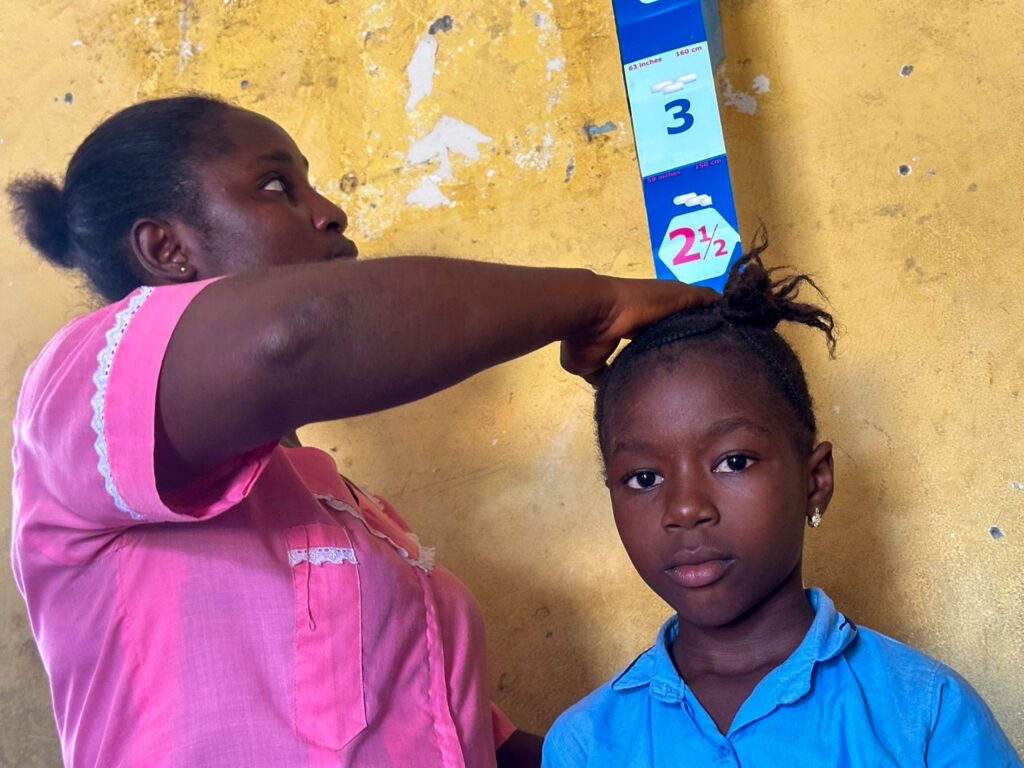
Isata’s story is just one example of why we’re committed to finding ways to continue this work despite unprecedented challenges. The stakes are high. Sierra Leone is on the cusp of achieving elimination goals that once seemed impossible. Funding secured by PRO from generous donors has provided another year of lifesaving care for children, but the future beyond that remains uncertain.
Isata is not alone. Last year we reached more than a million school-aged children in Sierra Leone – each with their own dreams, their own potential, and their own right to a healthy future.
The extraordinary generosity of donors has provided a runway to plan for a future without US government funding, but the gaps are significant. Helen Keller is committed to partnering with communities and governments to envision the next phase of the fight against neglected tropical diseases. Every year, millions of children will need treatment. Every year, new challenges will emerge. And every year, we’ll need partners and donors who believe that girls like Isata – brilliant, determined, dreaming of becoming nurses who will heal others – deserve the chance to thrive.
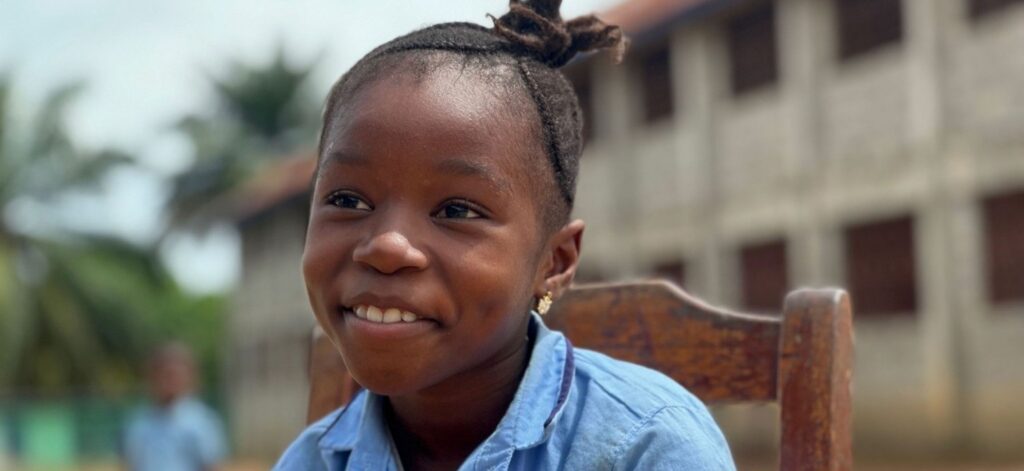
Help give all children a healthier future, free from disease.