One Child's Recovery Highlights the Gap in Malnutrition Treatment in Nepal
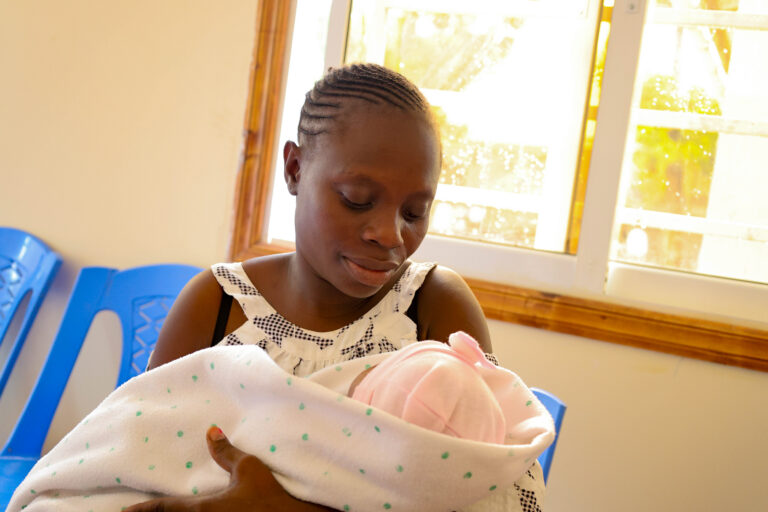
Mune and Manju’s seven-month-old daughter, Binita, looked frail and thin. Many children in Nepal’s southern Banke district are small for their age, so this is a painful reality for too many families. When Manju and Mune had her examined at a community health screening, they were heartbroken to find that she was severely malnourished and required immediate treatment.
The living conditions in Binita’s community are extremely challenging. Most households, including Binita’s family, struggle with limited employment opportunities and access to basic services as well as inadequate housing. Manju farms a small piece of land, and Mune works as a daily wage laborer. Their work and income vary with the seasons, making it difficult for the family to regularly meet their daily nutritional needs. With many families grappling with similar financial situations, high rates of malnutrition are all too common across many areas of the country.
Fighting the Child Malnutrition Crisis in Nepal
In Nepal, one in four children suffers from some form of malnutrition. Wasting, the most severe form of malnutrition, is a threat to children’s immediate survival, and any type of malnutrition can hinder their potential for a healthy, thriving life. Yet with timely diagnosis and treatment, most malnourished children can thrive again.
Helen Keller Intl has played a catalytic role in shaping Nepal’s health and nutrition policies and programs, focusing on improving maternal and child health, nutrition, and survival. Since 1988, Helen Keller has partnered with the government, communities, over 100 local organizations, and the private sector to improve the nutrition and health of more than 2.5 million households in Nepal.
However, efforts to support communities fighting malnutrition came to an abrupt halt in early 2025 after the United States government terminated foreign assistance, putting the health and lives of more than 121 million people in just the communities where Helen Keller works at grave risk. Helen Keller’s ability to continue supporting nearly half of Nepalese families was in limbo, as was the chance for children like Binita to get the lifesaving treatment they need.
Finding a Way to Continue Supporting Families in Greatest Need
While no single donor will ever fill the gap left by the US government, Helen Keller is working closely with Nepali government and nonprofit partners to consider where and how to reach families most in need. Thanks to the extraordinary generosity of our donor community and the donor mobilization efforts of Project Resource Optimization (PRO), we’ve been able to temporarily restart life-saving interventions in five Nepali districts, including Binita’s, with the highest number of children suffering from malnutrition.
“The PRO funding really helped to bridge the gap between the most essential services and the families,” Country Director Pooja Pandey told the BBC last fall, of the yearlong emergency donations.

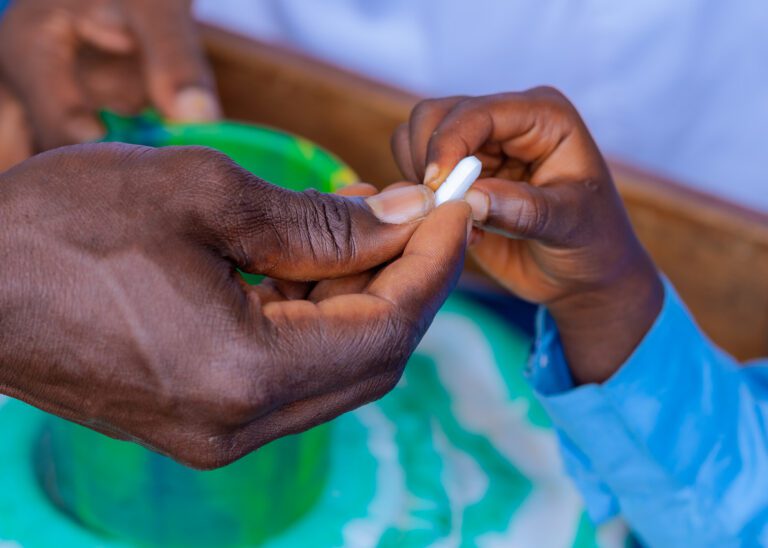
With this support, Helen Keller organized a community health event at which health workers identified Binita’s severe malnutrition. They quickly referred her to a nearby health facility for treatment, which included a special, nutrient-rich therapeutic food, commonly referred to as Plumpy’nut. With regular home follow-ups from Helen Keller staff and health facility visits, Binita is now on her way to recovery. Her mother is grateful for the care Binita received and now feels hopeful for her daughter’s future.
Binita’s recovery was made possible by the generosity of our Helen Keller community, who stepped up in a time of great need and uncertainty. While this funding has provided a grace period to restart critical health and nutrition work, it is not a permanent solution. Your ongoing support is more important than ever to build a new, healthier future for all children and families.

Help us continue to provide lifesaving health and nutrition services.