In an interview with Helen Keller’s Fatou Ndiaye, learn how twice-yearly vitamin A supplementation serves as a simple, affordable, and lifesaving public health[...]
For those who receive treatment, the impact goes beyond restored sight. Regaining vision can mean renewed independence, the ability to return to work, stronger connections with family and community, and a better quality of[...]
Sierra Leone is a global leader in expanding access to these prenatal vitamins, becoming the first lower-middle-income country in Africa to fully integrate them into its health[...]
77% of Sierra Leoneans lack reliable access to affordable, nutritious food, according to the World Food Programme. Last year, more than 2,600 farmers like Aunty Sento in Sierra Leone have received climate-smart training and tools to cultivate crops like[...]
Neglected tropical diseases affect more than a billion people worldwide, and can cause blindness, organ damage, and stunted development, among other long-term consequences. At Helen Keller Intl, eliminating these diseases is core to our mission. And this[...]
Good nutrition is essential for a healthy pregnancy. Yet in many countries where we work, women begin pregnancy with micronutrient deficiencies, which can increase the risk of complications. A daily prenatal multivitamin—also known as multiple micronutrient[...]
On a chilly Monday afternoon at Ansarul Islamic Primary School in Kenema, Sierra Leone, eight-year-old Isata and her classmates lined up to receive a dose of praziquantel.[...]
The past year has been a rollercoaster ride in the fight against neglected tropical diseases, bringing unforeseen challenges as well as unexpected optimism. In early 2025, we witnessed the abrupt termination of US foreign assistance funding. With it,[...]
Vox has once again championed Helen Keller Intl as one of the best, most cost-effective global health charities. In their annual Giving Tuesday Guide, the Vox team praised Helen Keller for our work supporting vitamin A supplementation across[...]
Neglected tropical diseases affect more than 1 billion people worldwide. Despite causing a wide range of devastating conditions, including blindness, painful deformities, and undernutrition, they have historically been overlooked and received too little[...]

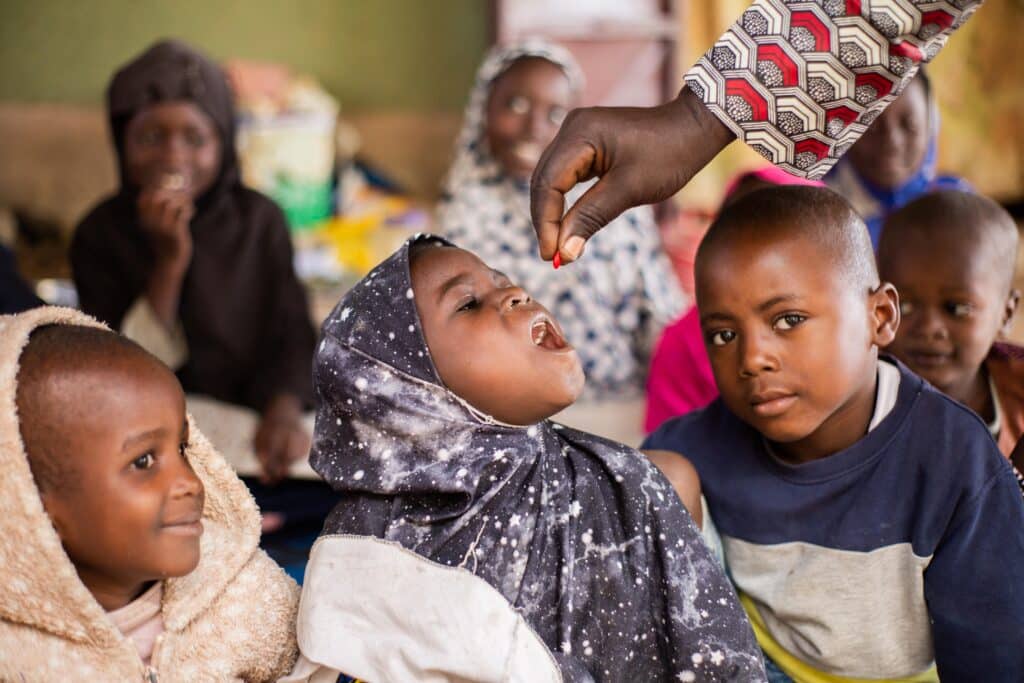 In an interview with Helen Keller’s Fatou Ndiaye, learn how twice-yearly vitamin A supplementation serves as a simple, affordable, and lifesaving public health[...]
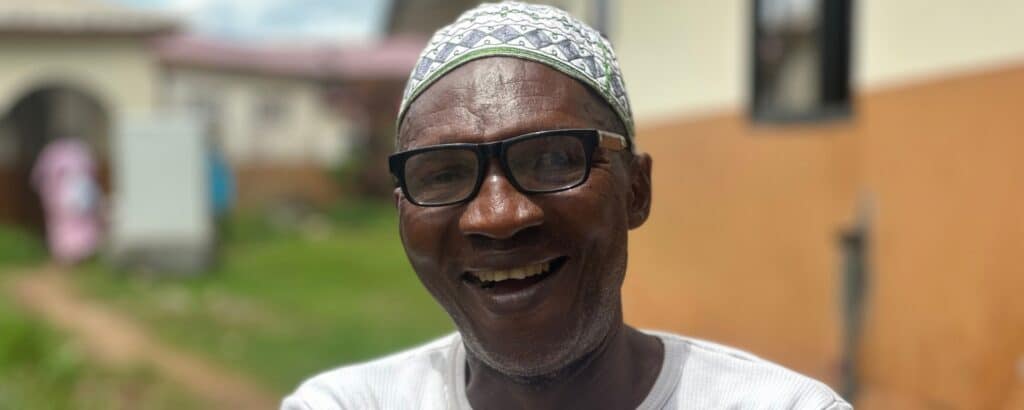 For those who receive treatment, the impact goes beyond restored sight. Regaining vision can mean renewed independence, the ability to return to work, stronger connections with family and community, and a better quality of[...]
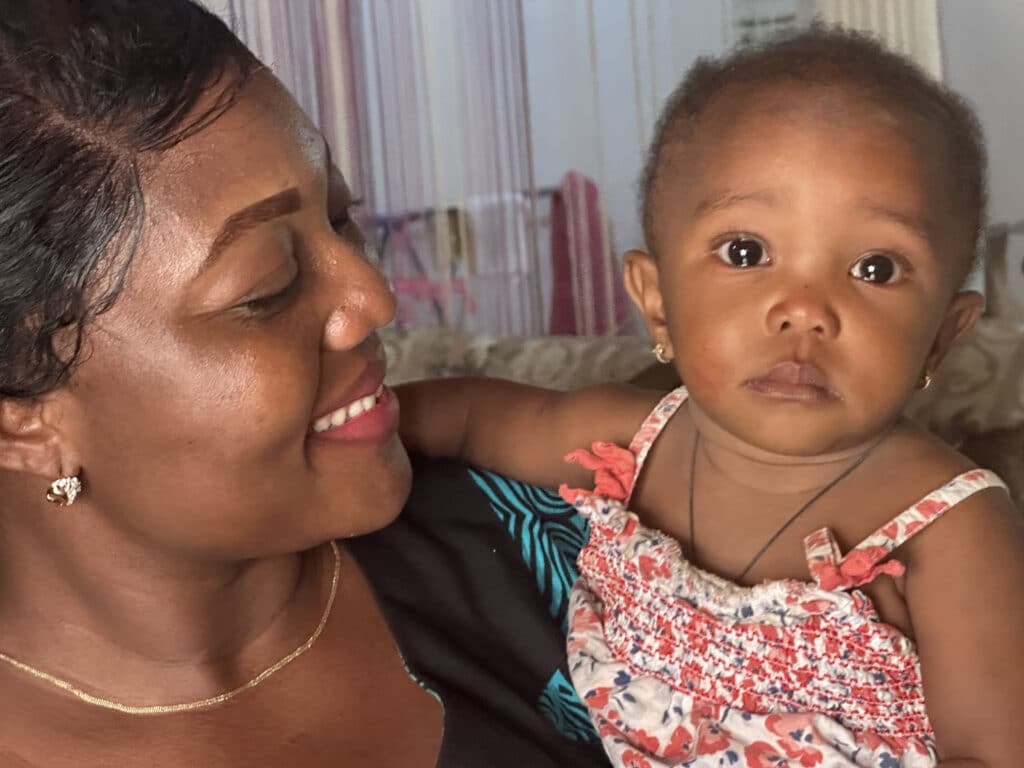 Sierra Leone is a global leader in expanding access to these prenatal vitamins, becoming the first lower-middle-income country in Africa to fully integrate them into its health[...]
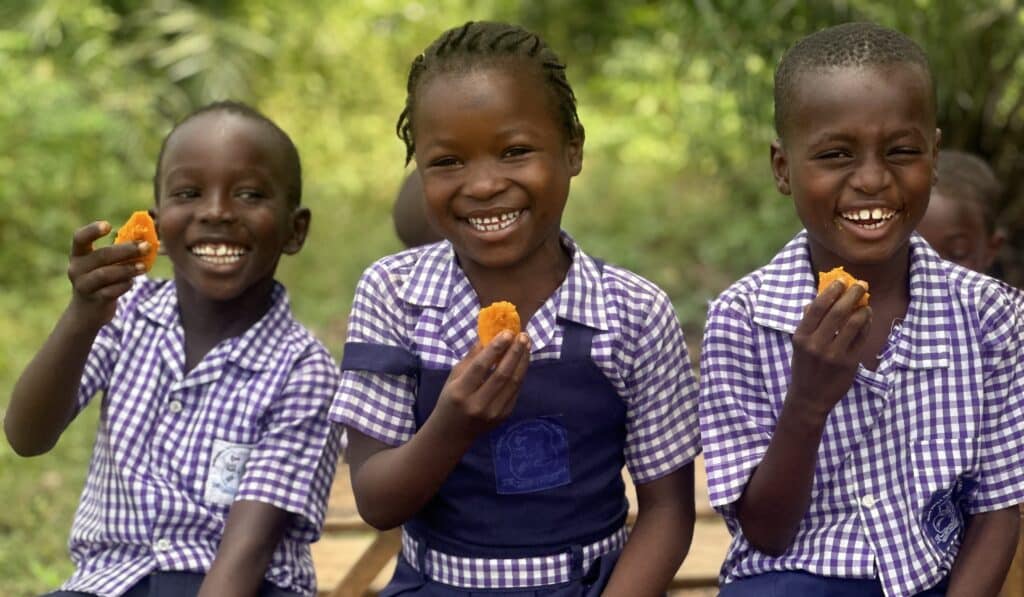 77% of Sierra Leoneans lack reliable access to affordable, nutritious food, according to the World Food Programme. Last year, more than 2,600 farmers like Aunty Sento in Sierra Leone have received climate-smart training and tools to cultivate crops like[...]
 Neglected tropical diseases affect more than a billion people worldwide, and can cause blindness, organ damage, and stunted development, among other long-term consequences. At Helen Keller Intl, eliminating these diseases is core to our mission. And this[...]
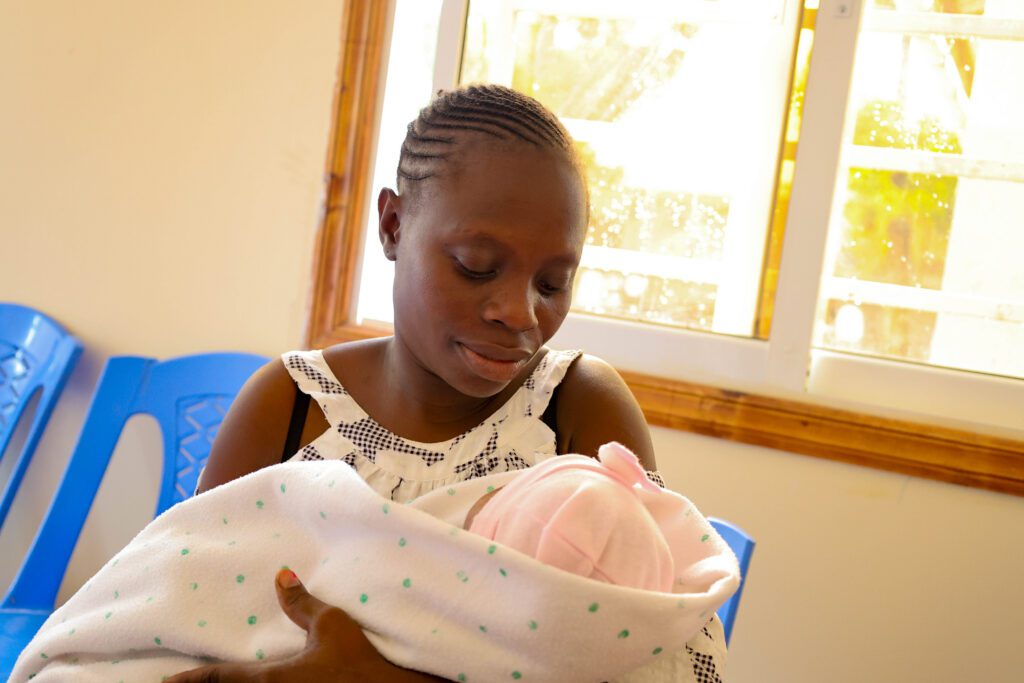 Good nutrition is essential for a healthy pregnancy. Yet in many countries where we work, women begin pregnancy with micronutrient deficiencies, which can increase the risk of complications. A daily prenatal multivitamin—also known as multiple micronutrient[...]
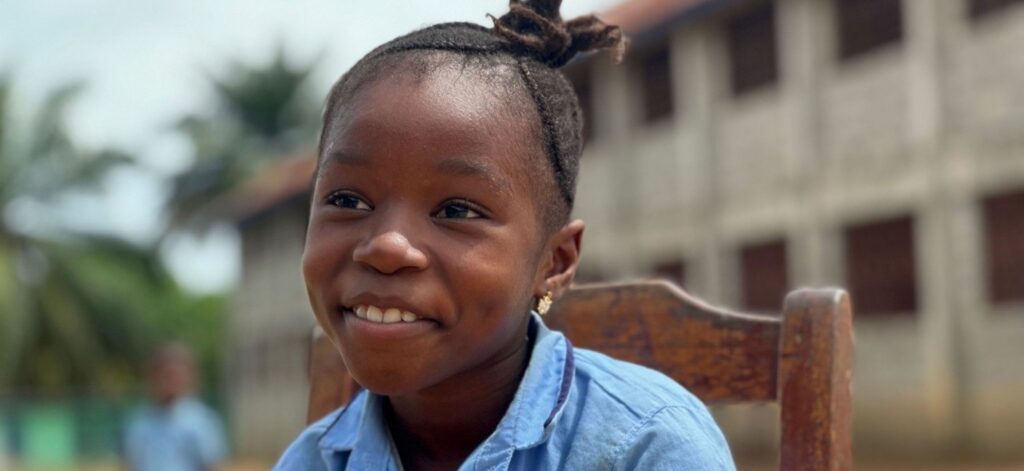 On a chilly Monday afternoon at Ansarul Islamic Primary School in Kenema, Sierra Leone, eight-year-old Isata and her classmates lined up to receive a dose of praziquantel.[...]
 The past year has been a rollercoaster ride in the fight against neglected tropical diseases, bringing unforeseen challenges as well as unexpected optimism. In early 2025, we witnessed the abrupt termination of US foreign assistance funding. With it,[...]
 Vox has once again championed Helen Keller Intl as one of the best, most cost-effective global health charities. In their annual Giving Tuesday Guide, the Vox team praised Helen Keller for our work supporting vitamin A supplementation across[...]
 Neglected tropical diseases affect more than 1 billion people worldwide. Despite causing a wide range of devastating conditions, including blindness, painful deformities, and undernutrition, they have historically been overlooked and received too little[...]