Tag: trachoma

Speaking Technically: Investing in the Fight Against Neglected Tropical Diseases
We recently spoke with Dr. Angela Weaver, Vice President for Neglected Tropical Diseases. Angela leads Helen Keller Intl’s work to
Read more about Speaking Technically: Investing in the Fight Against Neglected Tropical Diseases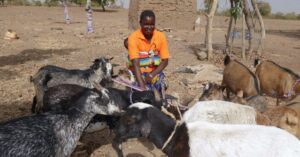
2023 Year in Review: Forces for Good [Photo Essay]
Every day, members of the Helen Keller Intl community are choosing to be forces for good. Community health heroes, entrepreneurs,
Read more about 2023 Year in Review: Forces for Good [Photo Essay]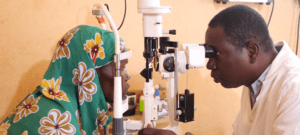
How Partnership Led to Eliminating an Endemic Blinding Disease in Mali
Earlier this year, the World Health Organization announced Mali as the 17th country to eliminate trachoma as a public health
Read more about How Partnership Led to Eliminating an Endemic Blinding Disease in Mali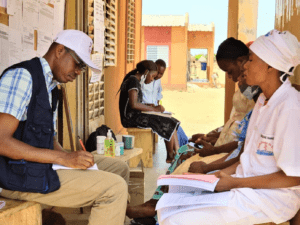
Looking Bravely: Eliminating Blinding Trachoma in Mali
We recently spoke with Benoit Dembélé who is our Regional Technical Advisor for Neglected Tropical Diseases in West Africa. Benoit
Read more about Looking Bravely: Eliminating Blinding Trachoma in Mali
Helping People See True Potential
Impaired vision can cause long-lasting challenges for children and adults throughout their lives. In childhood, poor vision will make it
Read more about Helping People See True Potential
A Friendly Competition Helps Eliminate Trachoma
Hawa Sissoko is a housewife in Kéréko, a small village in Mali. She, like many of her neighbors, would have
Read more about A Friendly Competition Helps Eliminate Trachoma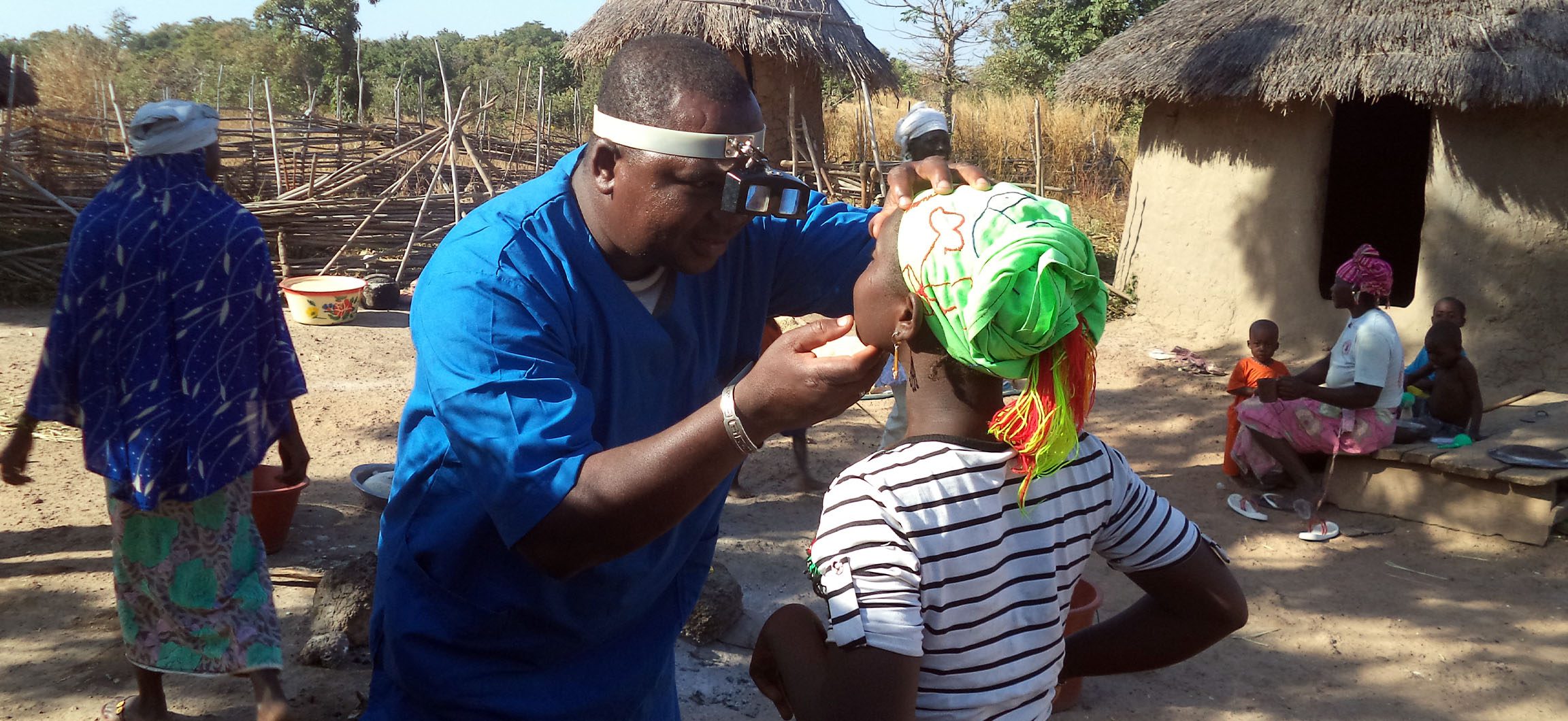
Trachoma Eliminated as a Public Health Problem in Mali
The World Health Organization announced the elimination of trachoma as a public health problem in Mali. Though not the first
Read more about Trachoma Eliminated as a Public Health Problem in Mali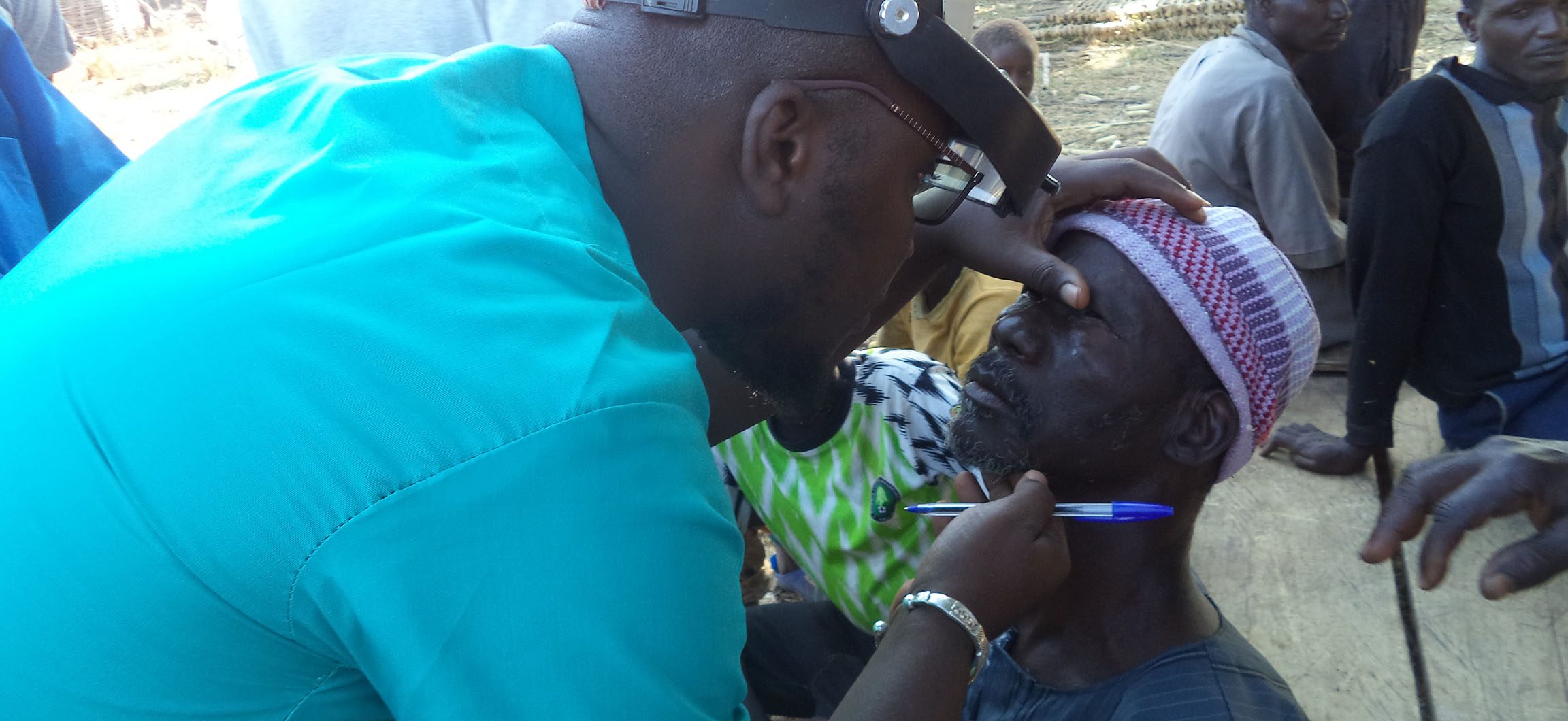
Partners Celebrate Elimination of Trachoma as Public Health Problem in Mali
Milestone signals nearly 10 million spared from blinding disease FOR IMMEDIATE RELEASE (May 16, 2023) – Mali has become the
Read more about Partners Celebrate Elimination of Trachoma as Public Health Problem in Mali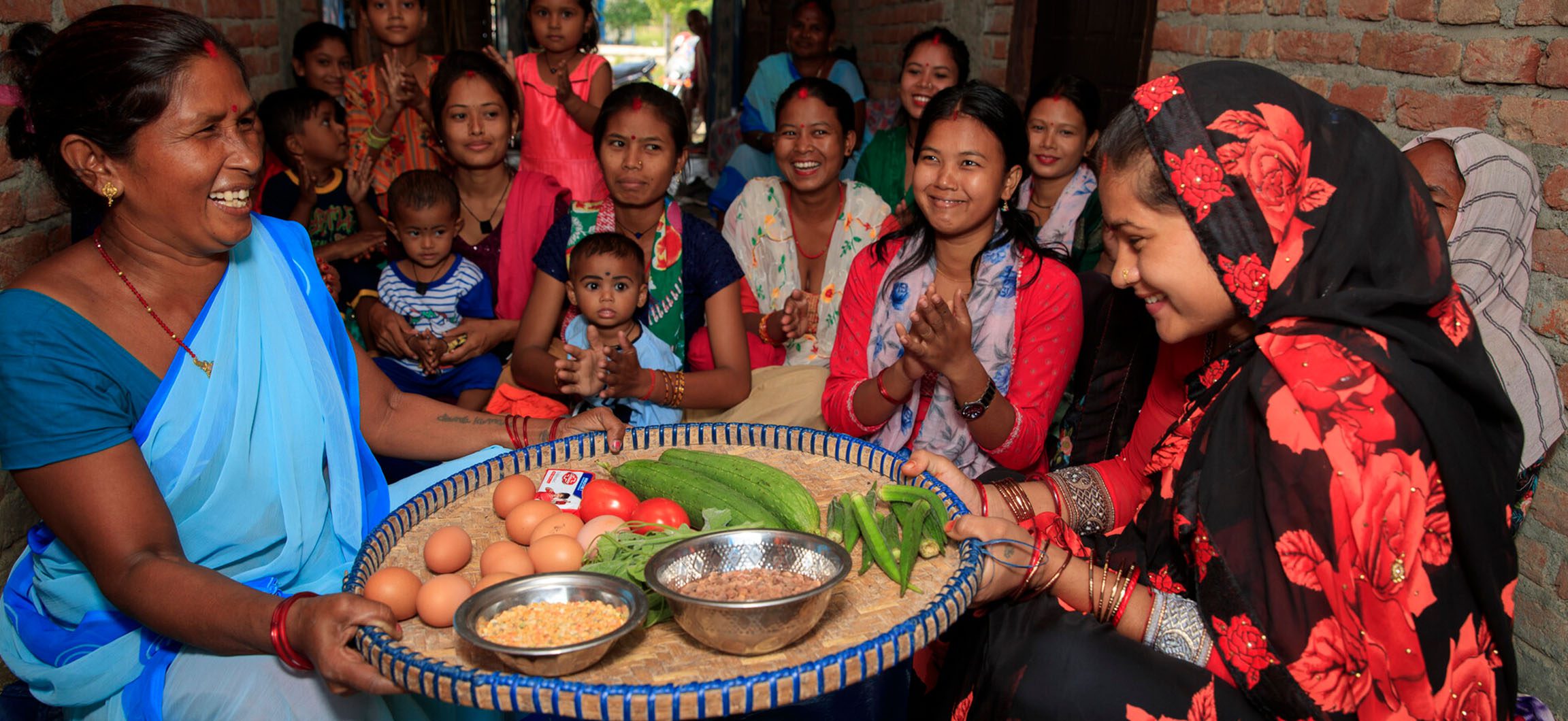
3 Things to be Optimistic about in 2023
Optimism is the faith that leads to achievement. Nothing can be done without hope and confidence. Helen Keller Just like
Read more about 3 Things to be Optimistic about in 2023