Routine Vitamin A Reaches Nigerian Children Year-Round
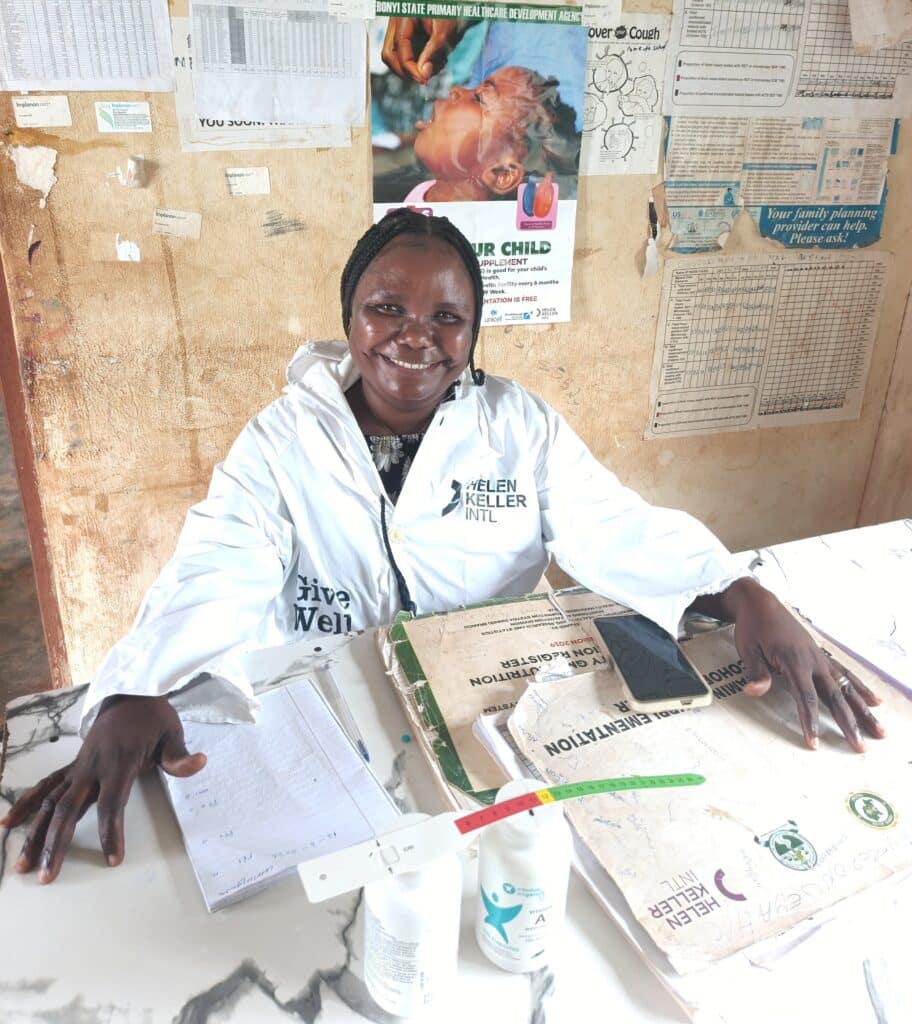
It’s a typical day at the Oguzoronweya Health Center in rural Ebonyi, Nigeria. Voices echo off the wooden walls as Theresa, a health worker at the clinic, goes over her schedule for the day. She has several appointments lined up to provide children with immunizations and ensure they’re receiving adequate nutrition.
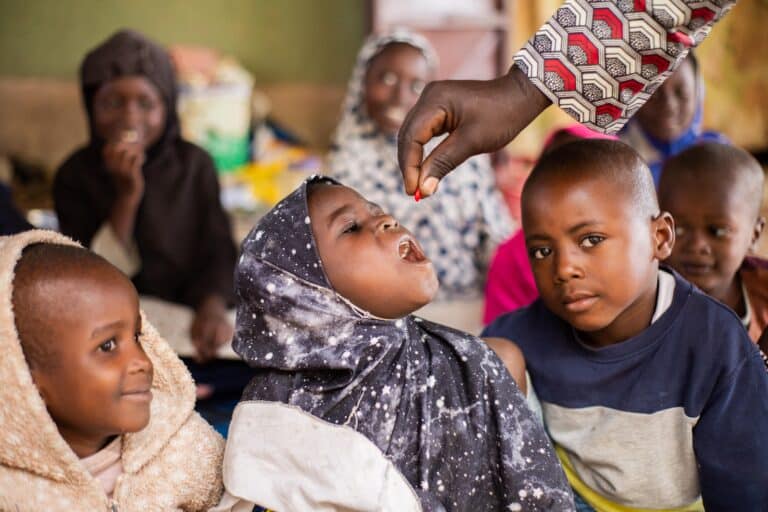
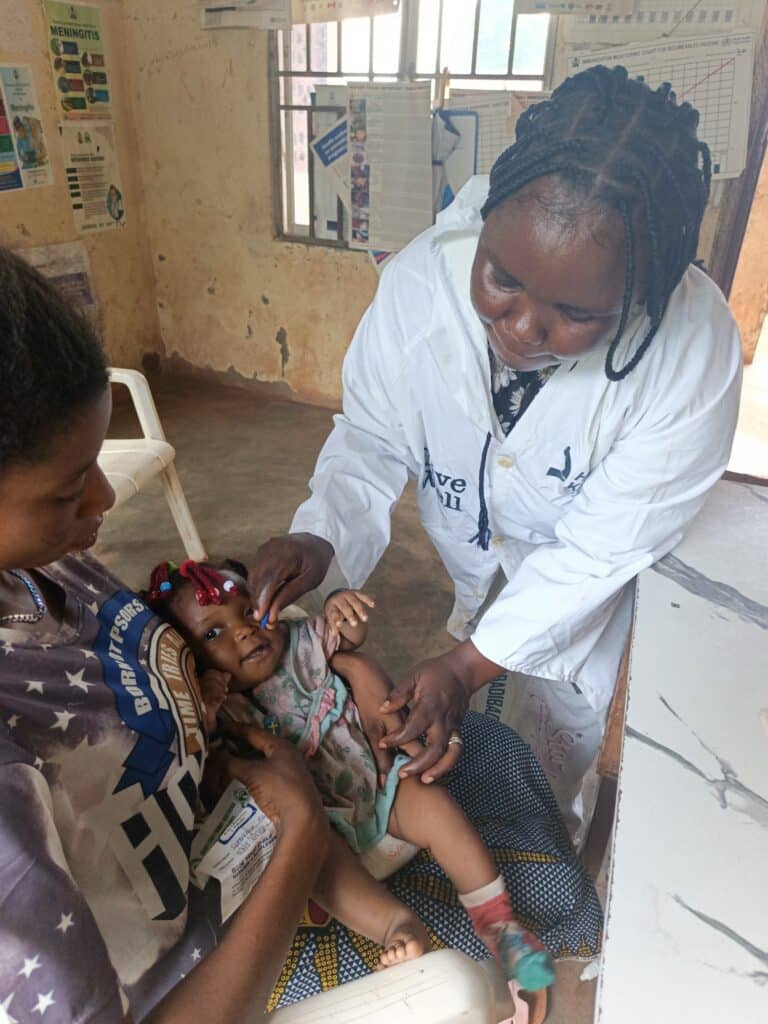
At each appointment, Theresa advises caregivers on the importance of vitamin A in a child’s diet, pointing to the poster behind her of a child receiving a few drops of the essential nutrient to protect her vision, prevent blindness, and help her fight common illnesses.
And now Theresa can give children their twice-yearly vitamin A supplement right on-site.
At Theresa’s health center, the number of children receiving vitamin A each month has climbed from 10–15 to 100 – a sevenfold increase, achieved in partnership with Helen Keller Intl. But it hasn’t always been this easy. Nationwide, GiveWell estimates that about 14% of children do not receive enough vitamin A.
Most are in rural areas, far from urban centers where vitamin A coverage is higher. Closing the vitamin A gap starts with three questions: where are the children being missed, why are they missing out, and how do we make it easier for them to get what they need? Helen Keller Intl partnered with the state ministries of health in Ebonyi and Benue to answer them.
The Vitamin A Access Gap
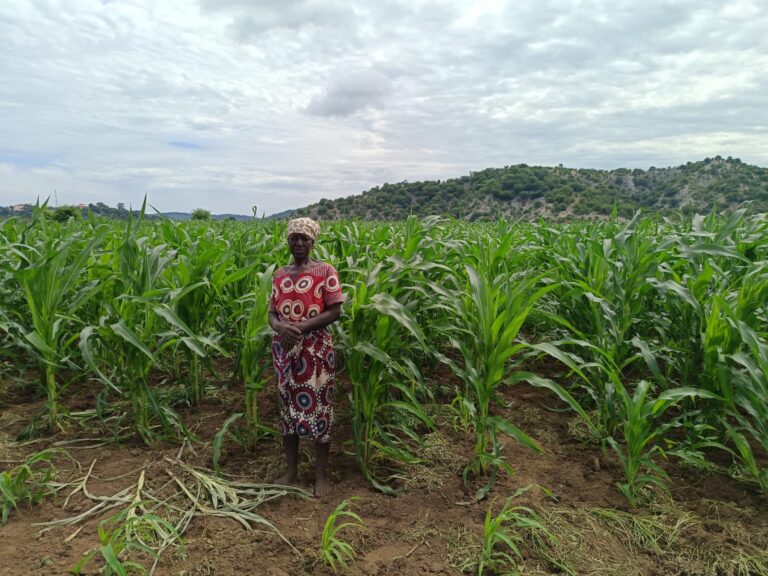
For decades, many children in Ebonyi and Benue could only get vitamin A during periodic supplementation campaigns. These externally funded child health days and national nutrition weeks send health workers door-to-door or to fixed community health posts. Between campaigns, vitamin A is often much harder to access.
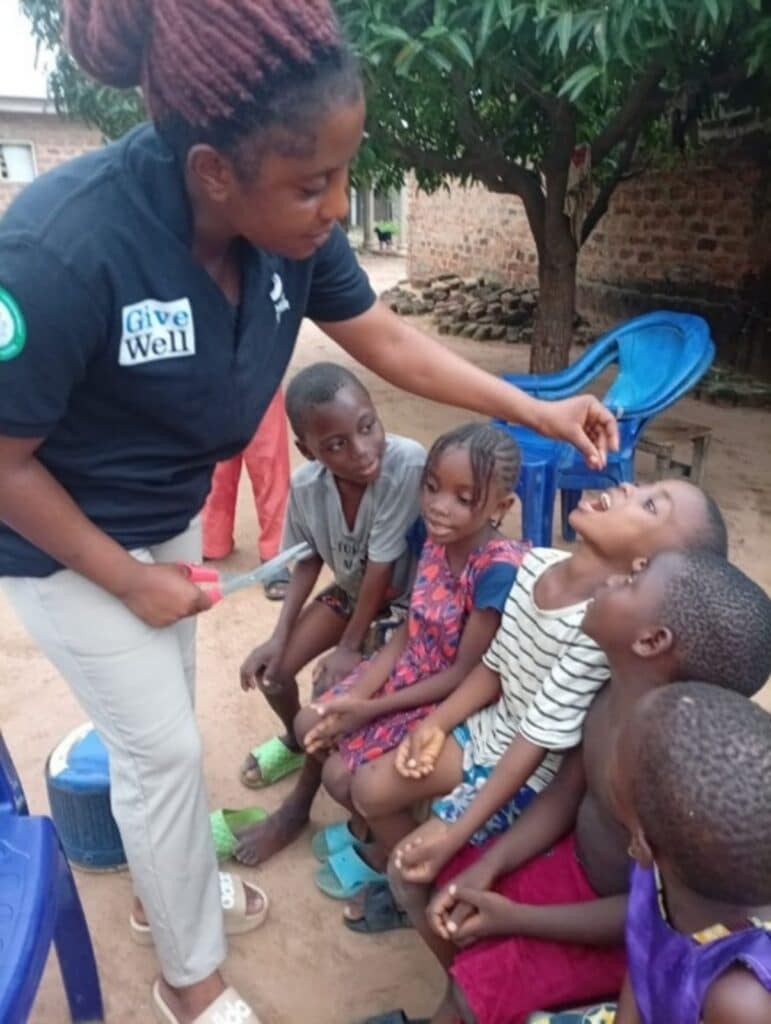
Malnutrition rates are high in both states. 25% of children under five in Benue are stunted (short for their age), and 32% in Ebonyi, according to government health data. Poor nutrition often leads to vitamin A deficiency, which in turn worsens malnutrition.
Josephine has coordinated routine vitamin A supplementation at Adaka Primary Health Center in Benue for four years, working under the state Primary Health Care Board. She’s seen this cycle play out many times.
“Children had to wait six months before receiving vitamin A supplements,” she shares. “Outside the campaign periods, there were no commodities, no logistics, and no routine data on vitamin A supplementation.”
The fix seems simple: integrate vitamin A into existing public health services rather than relying on externally funded campaigns. But that still leaves out children who rarely come to a facility at all; many stop coming once their routine immunizations are done.
A Two-Pronged Response
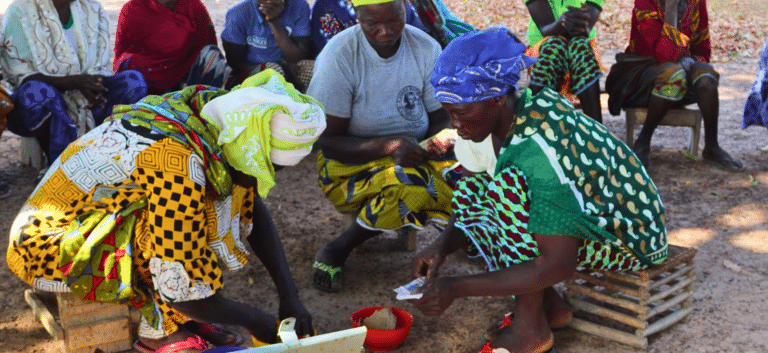
So, Helen Keller worked on two fronts. With the state ministries of health and primary health care boards, we built vitamin A into everyday services at health facilities, like immunizations and routine nutrition services. It’s a win-win: rather than creating new services, it brings vitamin A to children where they already are and helps health systems maximize resources. We also gave health workers the tools to correctly identify, document, and reach children who can’t go to facilities, including transportation and stipends to carry supplements to hard-to-reach communities.
Theresa says assisting with travel was essential. “Many children in distant settlements were not receiving vitamin A because we had no transportation support to conduct outreach activities.”
We also helped strengthen the systems behind the scenes: tracking which children are due for supplementation, improving data quality, training health workers, and helping caregivers understand why vitamin A matters. Accurate data and informed families means we can reach more children.
The Lifesaving Results
The sevenfold jump at Theresa’s center isn’t isolated: access to routine vitamin A has expanded across both states since the project began.
Theresa sees it firsthand. “Caregivers are more aware of the benefits of vitamin A supplementation,” she says. “They actively bring their children for services, and outreach activities help us reach children who would otherwise have been missed.”
For Josephine, children who once waited for the next campaign now get vitamin A whenever they need it. And as the program continues to engage and advocate with communities, trust between families and health workers has grown with it. Now caregivers are exposed to the importance of vitamin A more frequently and know they can access it as part of a broader package of child health services, instead of as a standalone intervention.
For the health workers on the front lines, the mission is personal. “Vitamin A saves lives and protects children,” Josephine tells us. “Knowing that I am helping children grow healthier and preventing avoidable illnesses gives me the passion to continue this work.”
Join Josephine and Theresa in their fight to support good health and nutrition for children year-round.